Sleep Health: Common Sleep Problems and When to Seek Help is an important topic because sleep affects far more than how rested you feel in the morning. Healthy sleep supports attention, learning, mood, physical health, and everyday functioning. When sleep problems happen regularly, they can affect school, work, relationships, and overall quality of life.
Occasional difficulty sleeping is common. A stressful day, changes in routine, travel, illness, or an uncomfortable sleep environment can temporarily disrupt sleep. However, persistent or severe sleep problems may need professional evaluation.
This guide explains what healthy sleep means, common sleep problems, possible warning signs, practical sleep habits, and when it is appropriate to seek help. It is intended for general education and does not replace advice from a qualified healthcare professional.
What Is Sleep Health?
Sleep health refers to getting sleep that is sufficient, regular, restorative, and appropriate for your individual needs. Good sleep is not only about the number of hours spent in bed. Sleep quality and consistency also matter.
Sleep needs vary by age. The American Academy of Sleep Medicine and American Academy of Pediatrics recommend that teenagers generally get 8 to 10 hours of sleep per 24 hours. Adults generally need at least 7 hours, although individual needs can vary. ([cdc.gov](https://www.cdc.gov/sleep/about/index.html))
Sleep also follows a natural body-clock pattern called the circadian rhythm. Light exposure, daily routines, activity, meals, and other factors can influence this rhythm.
Why Healthy Sleep Matters
Sleep supports many important body and brain functions. Adequate sleep can help with attention, memory, learning, emotional regulation, and physical recovery.
Poor sleep can affect concentration and daytime alertness. Persistent sleep problems have also been associated with a range of health concerns, including cardiovascular disease, metabolic problems, mood disorders, and weakened immune function.
The National Heart, Lung, and Blood Institute sleep health resources explain how insufficient or poor-quality sleep can affect physical and mental health.
Common Sleep Problems
Sleep problems can take different forms. Some people have difficulty falling asleep. Others wake frequently, wake too early, or feel tired despite spending enough time in bed.
Insomnia
Insomnia involves persistent difficulty falling asleep, staying asleep, or getting good-quality sleep despite having an opportunity to sleep. People with insomnia may also experience daytime effects such as tiredness, difficulty concentrating, or irritability.
Short-term insomnia can occur after stress or a major change in routine. Chronic insomnia is more persistent and may require professional assessment.
Cognitive behavioral therapy for insomnia, often called CBT-I, is a recommended treatment for chronic insomnia. It uses behavioral and cognitive techniques to improve sleep patterns and reduce factors that maintain insomnia. ([aasm.org](https://aasm.org/resources/clinicalguidelines/040515.pdf))
Sleep Apnea
Sleep apnea occurs when breathing repeatedly stops or becomes restricted during sleep. Obstructive sleep apnea is the most common type and involves repeated narrowing or blockage of the upper airway during sleep.
Possible signs include loud snoring, pauses in breathing noticed by another person, gasping during sleep, morning headaches, difficulty concentrating, and excessive daytime sleepiness.
Sleep apnea can affect people of different ages and body types. If symptoms suggest sleep apnea, a healthcare professional can determine whether a sleep evaluation is appropriate.
The NHLBI sleep apnea guide provides information about symptoms, diagnosis, risk factors, and treatment.
Restless Legs Syndrome
Restless legs syndrome is a neurological condition that can create an uncomfortable urge to move the legs. Symptoms often become more noticeable during periods of rest and can interfere with falling asleep.
Because several factors can contribute to restless legs symptoms, a healthcare professional may review medical history, medications, and other possible causes.
Circadian Rhythm Sleep-Wake Disorders
Circadian rhythm disorders occur when a person’s internal body clock does not align well with the desired sleep and wake schedule.
Examples include delayed sleep-wake phase disorder, which can make it difficult to fall asleep early and wake at a conventional time. Shift work and frequent changes in sleep schedules can also disrupt circadian rhythms.
Consistent routines and appropriately timed light exposure can sometimes help. Persistent problems should be discussed with a healthcare professional.
Signs That Your Sleep May Need Attention
Not every poor night of sleep means you have a sleep disorder. However, repeated problems deserve attention.
Consider talking with a healthcare professional if you regularly have trouble falling asleep, wake repeatedly during the night, wake much earlier than intended, or remain unusually tired during the day.
Other signs include loud or disruptive snoring, witnessed breathing pauses, repeated nighttime gasping, frequent morning headaches, or difficulty staying awake during normal daytime activities.
It is also worth seeking help when sleep problems interfere with daily responsibilities, concentration, mood, relationships, or overall quality of life.
Common Causes of Poor Sleep
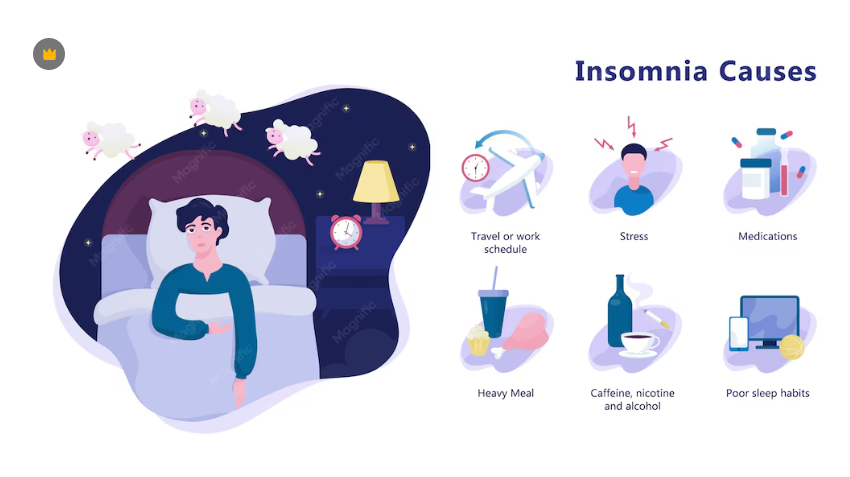
Sleep difficulties can have many causes. Stress, changes in routine, uncomfortable sleeping conditions, illness, pain, certain medications, and mental health concerns can all affect sleep.
Environmental factors also matter. Noise, excessive light, an uncomfortable room temperature, and an inconsistent schedule can make healthy sleep more difficult.
Caffeine and nicotine can also interfere with sleep. Timing matters because some stimulating substances can remain active in the body for several hours.
If a sleep problem continues despite improving your routine, avoid assuming that you simply need more willpower. Persistent sleep problems can have medical or psychological causes that deserve professional attention.
How to Support Better Sleep
Keep a Consistent Sleep Schedule
Try to go to bed and wake up at roughly consistent times. A regular schedule helps reinforce the body’s natural sleep-wake rhythm.
Large changes between weekday and weekend schedules can make it harder for some people to maintain a stable rhythm.
Create a Comfortable Sleep Environment
Keep the bedroom quiet, comfortable, and suitable for sleep. Reduce unnecessary light and distractions. A comfortable mattress and bedding can also support better rest.
Develop a Relaxing Bedtime Routine
A calm routine can help signal that it is time to wind down. Reading, gentle stretching, quiet music, or another relaxing activity may be useful.
Try to avoid highly stimulating activities immediately before bed when possible.
Be Mindful of Caffeine
Caffeine can remain in the body for several hours. If you have trouble sleeping, consider whether caffeinated drinks later in the day may be contributing to the problem.
Get Regular Daytime Activity
Regular physical activity can support healthy sleep. Spending time outdoors during the day can also provide natural light exposure that helps regulate the circadian rhythm.
However, the ideal timing and intensity of exercise can vary. If vigorous activity close to bedtime makes it harder to sleep, consider moving it earlier in the day.
Technology and Sleep
Phones, computers, televisions, and other devices can affect bedtime routines. Notifications, engaging content, and bright light can make it harder to wind down.
Creating a technology-free period before bed may help some people. The goal is not to follow a rigid rule. Instead, notice whether device use is keeping you alert or delaying bedtime.
If technology is necessary for school or work, adjust the routine where practical. A calmer transition into bedtime may still be beneficial.
Keeping a Sleep Diary
A sleep diary can help identify patterns. You can record approximate bedtimes, wake times, nighttime awakenings, daytime naps, caffeine use, exercise, and how rested you feel.
Sharing this information with a healthcare professional can make a sleep evaluation more informative.
For additional information, the NHLBI sleep deprivation information explains how sleep loss can affect health and daily performance.
When to See a Healthcare Professional
It is reasonable to seek professional advice when sleep problems are persistent, severe, or affecting daily life.
A healthcare professional may ask about your sleep schedule, symptoms, medications, caffeine use, mental wellbeing, medical history, and daytime functioning. They may also recommend a sleep diary or other assessment.
If sleep apnea is suspected, a sleep study may be recommended. Depending on the situation, evaluation can occur at home or in a specialized sleep center.
Treatment depends on the underlying problem. It may include behavioral strategies, therapy, changes to routines, treatment of an underlying condition, or other interventions recommended by a qualified professional.
Why Self-Medicating for Sleep Can Be a Problem
People sometimes turn to over-the-counter sleep products or supplements when they have difficulty sleeping. However, products marketed for sleep are not automatically appropriate for everyone.
Some products can interact with medications or cause unwanted effects. Others may mask an underlying sleep disorder without addressing its cause.
Talk with a healthcare professional or pharmacist before using a sleep medication or supplement, especially if sleep problems are persistent.
Sleep and Mental Wellbeing
Sleep and emotional wellbeing can influence each other. Stress and anxiety can make it harder to fall asleep. Poor sleep can then make concentration and emotional regulation more difficult the next day.
If worry, low mood, or persistent stress is interfering with sleep or daily life, consider speaking with a trusted adult or qualified healthcare professional. Treating an underlying concern can sometimes improve sleep as well.
Building Long-Term Sleep Health
Improving sleep health does not require perfection. Start with a few habits that fit your routine.
Keep a regular sleep schedule. Create a comfortable bedroom. Get regular daytime activity. Pay attention to caffeine timing. Give yourself time to wind down before bed.
If these changes do not help, do not assume the problem is your fault. Persistent sleep difficulties may require professional evaluation.
Final Thoughts on Sleep Health
Sleep Health: Common Sleep Problems and When to Seek Help highlights an important point: occasional poor sleep is common, but ongoing sleep problems should not always be ignored.
Insomnia, sleep apnea, restless legs syndrome, and circadian rhythm disorders can interfere with healthy rest. Recognizing warning signs is the first step toward getting appropriate support.
Good sleep habits can help, but they are not a substitute for professional care when a sleep disorder is suspected. If sleep problems regularly affect your health, learning, mood, safety, or daily activities, speak with a qualified healthcare professional.
For related educational information, explore our heart health guide and chronic disease management resources.
Medical disclaimer: This article is for general educational purposes only. It does not diagnose or treat sleep disorders and should not replace personalized medical advice. If you are concerned about persistent sleep problems, speak with a qualified healthcare professional.