Choosing Medicare coverage can feel complicated. There are different plan types, premiums, provider networks, prescription rules, and enrollment periods to understand. Medicare Advantage is one option that combines several types of Medicare coverage into a single private health plan.
This guide to Medicare Advantage Plans: Benefits, Costs, and Eligibility explains how Medicare Advantage works, what it covers, how much it can cost, who can enroll, and what to check before choosing a plan. Understanding these details can make it easier to compare your options and avoid unexpected costs.
What Are Medicare Advantage Plans?
Medicare Advantage Plans, also called Medicare Part C, are offered by Medicare-approved private insurance companies. These plans provide Part A and Part B benefits through the private plan. Most Medicare Advantage plans also include Part D prescription drug coverage. ([Medicare.gov](https://www.medicare.gov/basics/get-started-with-medicare/medicare-basics/how-does-medicare-work))
Medicare Advantage is an alternative to Original Medicare. Instead of receiving Part A and Part B benefits directly through Original Medicare, you receive covered services through the Medicare Advantage plan.
Plans must cover all medically necessary services that Original Medicare covers. They may also provide additional benefits that Original Medicare generally does not cover, such as certain dental, vision, and hearing services. ([Medicare.gov](https://www.medicare.gov/basics/get-started-with-medicare/get-more-coverage/your-coverage-options))
Who Is Eligible for Medicare Advantage?
To join most Medicare Advantage Plans, you generally need to have both Medicare Part A and Part B. You must also live in the plan’s service area. ([Medicare.gov](https://www.medicare.gov/basics/get-started-with-medicare/get-more-coverage/your-coverage-options))
Medicare eligibility commonly begins at age 65. Some people qualify earlier because of certain disabilities or other circumstances. People with End-Stage Renal Disease can also qualify for Medicare, and current Medicare rules allow eligible people with ESRD to choose Medicare Advantage coverage. ([Medicare.gov](https://www.medicare.gov/basics/end-stage-renal-disease))
Eligibility is only the first step. The plan you want must also be available in your location. Plans can differ considerably between counties and states.
For current eligibility information, use the official Medicare eligibility and enrollment guide.
What Do Medicare Advantage Plans Cover?
One major attraction of Medicare Advantage is the convenience of bundled coverage. Most plans combine hospital and medical coverage. Many also include prescription drug coverage.
Hospital and Medical Coverage
Medicare Advantage plans must cover the Medicare-covered services provided under Part A and Part B. This can include hospital care, physician services, outpatient care, preventive services, and other medically necessary services.
However, the plan may have its own rules for receiving care. You may need to use network providers or obtain prior authorization for certain services.
Prescription Drug Coverage
Most Medicare Advantage plans include Part D prescription drug coverage. This can make a Medicare Advantage plan convenient because medical and prescription benefits can be managed through one plan.
Before enrolling, check the plan’s drug formulary. Make sure your regular medications are covered and review the applicable copayments or coinsurance.
Some Medicare Advantage plans do not include drug coverage. If you choose a plan without drug coverage, carefully review how your prescription needs will be handled before making changes.
Dental, Vision, and Hearing Benefits
Extra benefits are another reason people consider Medicare Advantage. Depending on the plan, additional benefits may include certain dental services, vision benefits, hearing services, fitness programs, transportation, or other supplemental benefits.
These benefits are not identical across all plans. A plan may advertise dental coverage, for example, but have specific limits, provider requirements, or annual allowances.
Always read the plan’s benefit details rather than assuming that an advertised benefit covers every related service.
How Much Do Medicare Advantage Plans Cost?
The cost of Medicare Advantage Plans varies by plan and location. Some plans have a $0 monthly plan premium, while others charge an additional premium. Even when a plan has no separate plan premium, you generally must continue paying your Medicare Part B premium.
For 2026, Medicare lists the standard Part B premium as $202.90 per month, although some people pay more based on income. Part B costs can change each year. ([Medicare.gov](https://www.medicare.gov/basics/costs/medicare-costs))
In addition to premiums, consider deductibles, copayments, coinsurance, prescription costs, and the plan’s yearly out-of-pocket limit.
Out-of-Pocket Maximum
One important feature of Medicare Advantage is the yearly limit on what you pay for covered Part A and Part B services under the plan’s rules. Once you reach the plan’s applicable limit, the plan generally pays 100% of covered services for the rest of the calendar year.
The limit varies by plan. Therefore, do not compare plans only by their monthly premium. A plan with a higher premium could potentially have different cost-sharing requirements than a lower-premium plan.
The official Medicare costs guide provides current information about premiums, deductibles, copayments, coinsurance, and Medicare Advantage expenses.
Understand Provider Networks
Provider networks are one of the most important factors when comparing Medicare Advantage Plans: Benefits, Costs, and Eligibility.
Many Medicare Advantage plans require you to use doctors, hospitals, and other healthcare providers within their network for non-emergency care. Some plans provide limited out-of-network coverage, often at a higher cost.
Before enrolling, check whether your preferred primary care doctor, specialists, hospitals, pharmacies, and other providers participate in the plan.
This is particularly important if you receive regular treatment or have established relationships with specialists.
Medicare’s official Medicare Advantage comparison guide explains important differences between Original Medicare and Medicare Advantage, including provider choice and network rules.
HMO, PPO, and Other Medicare Advantage Plans
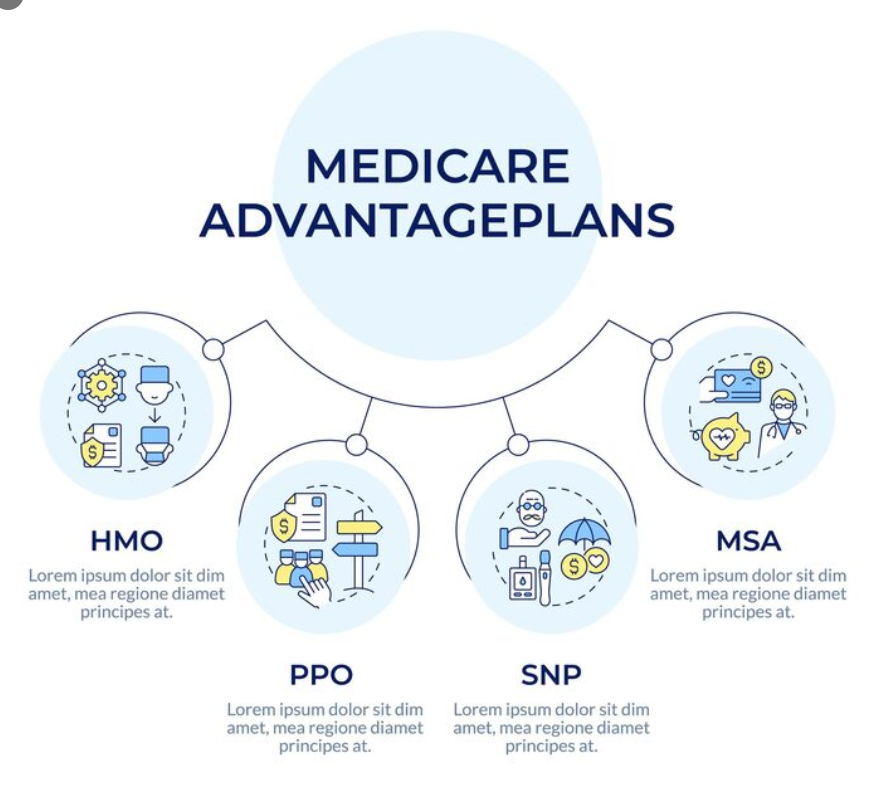
Medicare Advantage plans can use different healthcare delivery models. The rules vary by plan, so understanding the basic types can help.
HMO Plans
Health Maintenance Organization (HMO) plans generally require you to use network providers except for emergencies and certain other situations. Some plans require referrals before you see specialists.
HMO plans can offer structured networks and predictable costs. However, they may provide less flexibility if you frequently receive care outside the network.
PPO Plans
Preferred Provider Organization (PPO) plans generally offer more flexibility. You can usually use out-of-network providers for covered services, but your costs may be higher.
PPO plans may be useful for people who value provider flexibility. Still, check the plan’s specific rules before assuming that every out-of-network service is covered.
Special Needs Plans
Special Needs Plans (SNPs) are Medicare Advantage plans designed for people who meet specific eligibility requirements. Certain SNPs serve people with particular chronic conditions, people who qualify for both Medicare and Medicaid, or people who live in certain institutions.
If you think you may qualify for an SNP, review the eligibility rules and available plans in your area.
Prior Authorization and Referrals
Medicare Advantage plans can use rules that affect how you receive certain services. For example, a plan may require prior authorization before covering some procedures, treatments, or services.
Some plans also require referrals before you see certain specialists.
These rules do not necessarily make a plan unsuitable. However, they can affect convenience and access. If you expect regular specialist care, review these requirements before enrolling.
Medicare Advantage Enrollment Periods
Knowing when you can enroll is just as important as understanding plan benefits.
Initial Enrollment Period
Your first opportunity to enroll in Medicare generally occurs around your 65th birthday. The Initial Enrollment Period normally lasts seven months. It begins three months before the month you turn 65 and ends three months after that month. ([Medicare.gov](https://www.medicare.gov/basics/get-started-with-medicare/sign-up/when-does-medicare-coverage-start))
After obtaining Part A and Part B, you can generally consider Medicare Advantage plans available in your service area.
Annual Open Enrollment Period
The Medicare Open Enrollment Period runs from October 15 through December 7 each year. During this period, eligible beneficiaries can join, switch, or drop Medicare Advantage coverage for the following year. Changes generally take effect January 1.
Medicare provides current dates and rules through its Medicare enrollment periods guide.
Medicare Advantage Open Enrollment Period
If you are already enrolled in a Medicare Advantage plan, you generally have another opportunity to make one change between January 1 and March 31 each year. During this period, you can switch to another Medicare Advantage plan or return to Original Medicare and join a separate Medicare drug plan.
Different rules can apply in special circumstances.
Special Enrollment Periods
Certain life events can create a Special Enrollment Period. Examples may include moving outside your plan’s service area or losing other qualifying coverage.
Because the rules depend on the event, review your specific situation before making a change. Medicare’s Special Enrollment Period information explains qualifying circumstances and deadlines.
Medicare Advantage vs. Original Medicare
One of the biggest decisions is whether Medicare Advantage fits your needs better than Original Medicare.
With Original Medicare, you can generally use any doctor or hospital that accepts Medicare. You can also add a separate Part D drug plan and may have the option to buy Medigap coverage.
Medicare Advantage combines Part A and Part B benefits through a private Medicare-approved plan. Most plans also include Part D. However, provider networks and plan rules can limit where and how you receive certain services.
Medicare Advantage also provides a yearly out-of-pocket limit for covered services, while Original Medicare does not have a general annual out-of-pocket maximum unless you have additional coverage such as Medigap. ([Medicare.gov](https://www.medicare.gov/basics/get-started-with-medicare/get-more-coverage/your-coverage-options))
How to Compare Medicare Advantage Plans
Start by listing your current doctors, hospitals, prescriptions, and common healthcare needs. Then compare available plans in your area.
Look beyond the premium. Check the deductible, copayments, coinsurance, out-of-pocket maximum, drug costs, provider network, and extra benefits.
Also consider how often you travel. If you spend part of the year in another state, ask how the plan handles care outside its service area.
Medicare recommends using its plan comparison tools to review plan costs, covered services, prescription coverage, and estimated yearly expenses. You can also contact your local State Health Insurance Assistance Program for free, personalized Medicare counseling. ([Medicare.gov](https://www.medicare.gov/basics/get-started-with-medicare/get-more-coverage/joining-a-plan))
Questions to Ask Before Choosing a Plan
- What is the monthly plan premium?
- Will I still need to pay my Part B premium?
- What is the annual out-of-pocket maximum?
- Are my doctors and preferred hospitals in the network?
- Are my prescriptions covered?
- What will I pay for primary care and specialist visits?
- Does the plan require referrals?
- Which services require prior authorization?
- What dental, vision, hearing, or fitness benefits are included?
- How does the plan handle emergency or urgent care?
- What happens if I travel outside the plan’s service area?
Final Thoughts
Medicare Advantage Plans: Benefits, Costs, and Eligibility can vary widely by location and insurer. The best plan is not necessarily the one with the lowest premium or the most advertised extras.
Instead, compare the full package. Review premiums, medical costs, prescription coverage, provider networks, extra benefits, prior authorization rules, and the yearly out-of-pocket maximum.
Eligibility and enrollment rules can also affect your choices. Check the current Medicare rules before enrolling or switching plans.
For the most reliable and current information, use the official Medicare health and drug plan resources. You can compare available plans and review their costs and benefits before making a decision.
This article is for general educational purposes only. Medicare benefits, premiums, plan availability, eligibility requirements, and enrollment rules can change. Always review the current plan documents and official Medicare information before making a coverage decision.