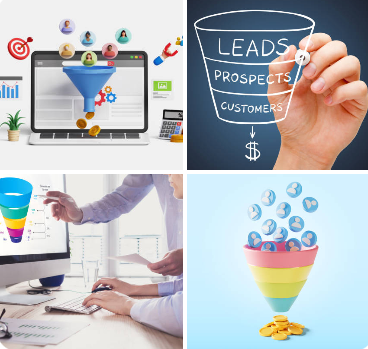
Learning How to Create an Effective Sales Funnel can help turn website visitors into leads, customers, and repeat buyers. A sales funnel gives your marketing a clear structure. It shows what prospects need at each stage before they are ready to buy.
Whether you run an online business, offer professional services, sell digital products, or operate a dropshipping business, a well-planned funnel can make your marketing more efficient. Instead of sending every visitor directly to a sales page, you guide them through a logical customer journey.
The good news is that you do not need a huge marketing team to build one. With the right strategy, simple landing pages, useful content, email marketing, and analytics can create a powerful sales system.
What Is a Sales Funnel?
A sales funnel is the journey a potential customer takes from first discovering your business to making a purchase. The funnel is often divided into four main stages: awareness, interest, decision, and action.
At the top of the funnel, people may not know your brand. In the middle, they are researching solutions. Near the bottom, they are comparing options and deciding whether to buy.
This structure helps you create the right message for the right person at the right time.
Why Is a Sales Funnel Important?
A sales funnel gives your marketing process direction. Without one, businesses often publish content, run advertisements, or collect leads without a clear next step.
A strong funnel can help you:
- Attract the right audience.
- Generate qualified leads.
- Build trust with potential customers.
- Explain the value of your offer.
- Reduce friction during the buying process.
- Increase conversions and repeat purchases.
- Measure where prospects leave the customer journey.
For example, someone searching for information about affiliate marketing may not be ready to purchase a course or software subscription immediately. Helpful educational content can build trust first. Later, that visitor may sign up for an email list and become a qualified lead.
How to Create an Effective Sales Funnel Step by Step
1. Define Your Target Customer
The first step in How to Create an Effective Sales Funnel is understanding who you want to attract.
Define your ideal customer’s needs, goals, challenges, budget, and buying behavior. Think about the questions they ask before purchasing. Also consider what prevents them from taking action.
A specific audience makes every later stage easier. Your content, landing pages, emails, and offers can all speak directly to the same customer.
2. Create a Strong Value Proposition
Your value proposition explains why someone should pay attention to your business. It should be clear and focused on the customer’s outcome.
A weak message describes only what a product does. A stronger message explains how the product helps solve a real problem.
Keep your value proposition simple. Visitors should understand what you offer and why it matters within seconds.
3. Attract Visitors at the Top of the Funnel
The top of your funnel is where awareness begins. Your goal is to attract people who have a problem your business can solve.
Search engine optimization, social media, video, educational articles, podcasts, and paid advertising can all generate traffic.
For SEO, create content around questions your target customers search for. A detailed guide can attract visitors who are still researching. You can then introduce them to the next step in your funnel.
Tools such as Google Search Console can help website owners understand how their pages perform in Google Search.
4. Build a High-Converting Landing Page
Once visitors arrive, give them a clear next step. A landing page should focus on one primary goal.
That goal could be joining an email list, requesting a consultation, starting a free trial, downloading a resource, or making a purchase.
A useful landing page normally includes:
- A clear headline.
- A concise explanation of the offer.
- Benefits that matter to the customer.
- Trust signals or testimonials where appropriate.
- A visible call to action.
- Minimal distractions.
Do not make visitors search for what to do next. The call to action should be obvious.
5. Offer Something Valuable for Free
Many visitors are not ready to buy during their first visit. A lead magnet can give them a reason to stay connected with your business.
Examples include checklists, templates, educational guides, webinars, calculators, or useful email courses.
The free resource should solve a small but meaningful problem. It should also naturally connect to your paid offer.
6. Build an Email Marketing Sequence
Email can move prospects from interest to consideration. Instead of sending random promotional messages, create a simple sequence.
The first email can deliver the promised resource. The next emails can provide helpful information, address common problems, demonstrate your expertise, and introduce your solution.
Keep the sequence useful. Every email should have a clear purpose.
Platforms such as Mailchimp can help businesses manage email campaigns, audiences, and marketing automation.
7. Create a Strong Offer
At the decision stage, prospects need enough information to evaluate your offer. Explain what they receive, who it is for, and what problem it solves.
Make pricing clear. Avoid unnecessary complexity. If you have multiple packages, explain the difference between them.
Your offer can also include appropriate bonuses, guarantees, demonstrations, or customer testimonials. However, these elements should support the product rather than distract from it.
8. Remove Buying Friction
Even interested customers may leave if the buying process feels difficult.
Review your checkout process. Is it easy to understand? Are there unnecessary steps? Can customers find answers to common questions?
Make your forms simple. Provide clear information about payment, delivery, refunds, subscriptions, or other important terms.
9. Add Follow-Up and Retargeting
Not every prospect converts on the first attempt. Follow-up helps you reconnect with people who showed interest but did not take action.
Email reminders, educational content, and relevant retargeting campaigns can bring qualified prospects back to your offer.
However, avoid excessive messaging. Good follow-up should be relevant and helpful rather than overwhelming.
10. Measure Every Stage
You cannot improve a funnel if you do not know where people are leaving.
Track metrics such as website traffic, landing page conversion rate, email engagement, sales conversion rate, average order value, and customer acquisition cost.
Google Analytics can help businesses analyze website activity and understand how visitors interact with their digital properties.
Sales Funnel Example for an Online Business
Imagine you sell an online course about building a small digital business.
First, you publish helpful SEO articles about business planning and digital marketing. A visitor discovers one of those articles through search.
At the end of the article, you offer a free business planning template. The visitor enters an email address to receive it.
Next, an automated email sequence provides practical advice. The emails explain common mistakes and introduce your course as a more complete solution.
The prospect then visits the sales page. They review the curriculum, benefits, pricing, and frequently asked questions. If they purchase, they enter a customer onboarding sequence.
This is a simple example of how content, lead generation, email marketing, and sales can work together.
Sales Funnel Strategies for Different Business Models
Affiliate Marketing Funnel
An affiliate marketing funnel often starts with educational content. The visitor learns about a problem, discovers potential solutions, and then receives a recommendation containing an affiliate link.
Trust is especially important. Be transparent about affiliate relationships and recommend products that genuinely fit the audience.
Dropshipping Sales Funnel
A dropshipping business can use product-focused advertising, educational content, email campaigns, product pages, and abandoned-cart follow-up.
If you are comparing affiliate vs dropshipping, remember that the customer journey can differ. Affiliate businesses often focus on generating qualified referrals, while dropshipping businesses manage the complete purchase experience.
Digital Product Funnel
Digital products often work well with educational funnels. A free resource can demonstrate your expertise. A low-cost product can introduce your paid ecosystem. Higher-value products can then serve customers who need more support.
This approach can also support entrepreneurs interested in passive income. However, creating a sustainable income stream still requires marketing, customer support, product improvement, and consistent traffic.
Common Sales Funnel Mistakes to Avoid
Trying to Sell Too Early
Not every visitor is ready to buy. Give people useful information before asking for a major commitment.
Using Too Many Calls to Action
Too many choices can create confusion. Give each funnel page one primary goal.
Ignoring Mobile Users
A large portion of online traffic comes from mobile devices. Check your pages on smaller screens. Make sure forms, buttons, images, and text are easy to use.
Failing to Test
Your first funnel will not be perfect. Test headlines, calls to action, page layouts, offers, and email subject lines. Make changes based on real performance data.
How to Improve Your Sales Funnel Over Time
Building a funnel is only the beginning. The strongest funnels improve through regular testing.
Start with the biggest problem. If your landing page gets traffic but few people submit the form, improve the landing page first. If many leads join your list but few purchase, examine your email sequence and offer.
Focus on one stage at a time. Small improvements across several stages can create a meaningful increase in overall conversions.
Final Thoughts
Learning How to Create an Effective Sales Funnel gives your marketing a repeatable structure. Instead of hoping visitors will buy, you guide them through a clear journey.
Start with your audience. Create useful content. Capture qualified leads. Build trust through email and other channels. Present a clear offer. Then measure the results.
The most effective sales funnel is not necessarily the most complicated one. It is the one that understands the customer, removes unnecessary friction, and consistently delivers value at every stage.