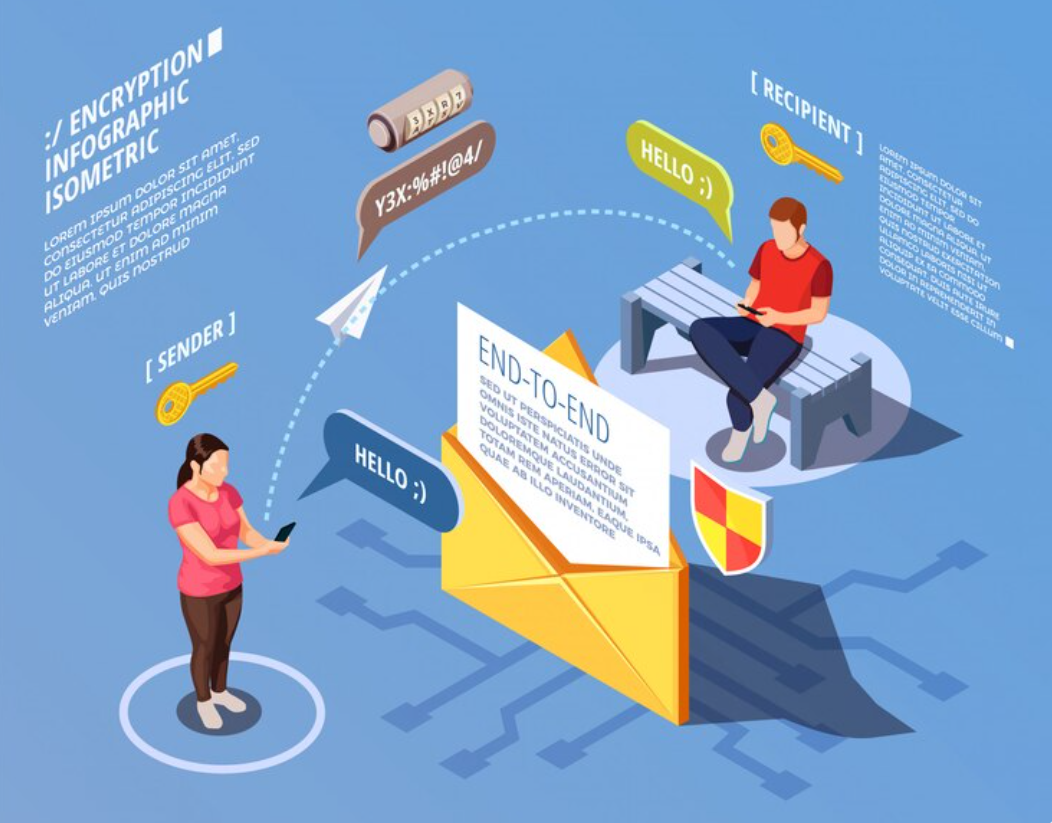
Learning How to Build an Email List from Scratch can give your website or business a reliable way to connect with an interested audience. Unlike social media followers, an email list gives you a direct communication channel with people who have chosen to hear from you.
A strong email list can support many goals. You might use it to promote educational content, share product recommendations, grow an online business, or develop a long-term passive income strategy.
The key is to build your list ethically. Do not buy random email addresses or add people without permission. Instead, give visitors a clear reason to subscribe and provide useful content after they join.
Why Build an Email List?
Social media platforms can change their algorithms, features, and reach. Your website traffic can also fluctuate. An email list gives you another way to communicate with an audience that has already shown interest in your content.
Email can also support customer relationships. You can send helpful guides, new articles, product updates, educational resources, and relevant offers.
For example, someone running an affiliate marketing website could use email to share useful buying guides and educational articles. A creator researching affiliate vs dropshipping could build a newsletter around online business strategies.
However, email marketing works best when subscribers receive genuine value. A list is not valuable simply because it contains thousands of addresses.
How to Build an Email List from Scratch
1. Define Your Target Audience
Before creating an opt-in form, decide who you want to attract.
Think about your ideal reader’s interests, problems, goals, and questions. A focused audience makes it easier to create a useful reason for people to subscribe.
For example, a website about starting an online business might target beginners who want practical advice about SEO, content marketing, email marketing, and business models.
The more specific your audience is, the easier it becomes to create content that feels relevant.
2. Choose an Email Marketing Platform
You need an email marketing service to collect subscribers, manage contacts, create campaigns, and send messages.
Choose a platform that provides features such as signup forms, automation, audience management, analytics, and unsubscribe tools.
Before choosing a provider, review its current pricing, features, and policies. The Mailchimp email marketing guide is one useful resource for learning about email marketing fundamentals.
Other providers may offer different features and pricing. Compare them based on your current needs rather than choosing a platform only because it is popular.
3. Create a Valuable Lead Magnet
A lead magnet is a useful resource offered in exchange for a visitor’s email subscription.
It could be a checklist, guide, template, worksheet, resource list, or short educational report. The best lead magnet solves a specific problem for your target audience.
For example, a marketing website could offer a “30-Day Content Planning Checklist.” A website about an affiliate marketing business could provide a beginner-friendly niche research worksheet.
Keep the promise simple. Visitors should understand what they will receive before submitting their information.
4. Create a Clear Signup Form
Your signup form should be easy to understand. Tell visitors what they are subscribing to and what type of content they can expect.
For example, you could write:
“Get practical weekly tips about SEO, content marketing, and online business strategies.”
Avoid asking for unnecessary information. In many cases, an email address and first name are enough to begin.
Also make your privacy practices clear. People should know how their information will be used.
5. Place Signup Forms in the Right Locations
A good lead magnet will not help much if visitors cannot find it.
Consider placing relevant signup forms in your homepage, blog posts, resource pages, and other high-traffic sections of your website.
You can also add a signup form near the end of an article. At that point, readers have already consumed your content and may be more interested in receiving additional resources.
For example, an article about increasing website traffic organically could offer a related SEO checklist as a free resource.
6. Use Contextual Calls to Action
A generic “Subscribe to our newsletter” message may not always be enough.
Instead, connect the call to action with the page the visitor is reading.
If someone is reading about SEO, offer SEO-related resources. If they are reading about content creation, offer a content planning template.
Relevant calls to action feel more natural and can make the subscription offer more useful.
7. Create a Simple Welcome Email
The first email matters because it introduces your relationship with a new subscriber.
Thank the person for subscribing. Explain what they can expect. If you promised a lead magnet, provide clear instructions for accessing it.
You can also briefly explain who you are and what your website focuses on.
Keep the first email focused. You do not need to promote several products immediately.
8. Build a Useful Email Sequence
Once your welcome email is ready, create a short sequence that provides additional value.
For example, a beginner sequence could look like this:
- Day 1: Welcome email and promised resource.
- Day 3: A practical tip related to the subscriber’s interest.
- Day 5: A useful tutorial or case study.
- Day 7: Common mistakes and how to avoid them.
- Day 10: A relevant resource, product, or next step.
The exact schedule depends on your audience. The important point is consistency.
9. Publish Content That Attracts Subscribers
Your email list and website content should support each other.
Publish articles that answer questions your audience is already asking. Then connect those articles to relevant signup opportunities.
For example, a website about online income could publish guides about affiliate vs dropshipping, affiliate marketing, and starting a dropshipping business. Each article could offer a related free resource.
This creates a simple content funnel. Searchers discover your article, learn something useful, and then have an opportunity to subscribe.
10. Promote Your Newsletter on Social Media
Social media can introduce your newsletter to people who have never visited your website.
Share useful tips from your newsletter and invite interested users to read the full resource on your website.
Avoid posting only promotional messages. Teach something first. Then explain how subscribers can receive more useful information by joining your list.
For more guidance on social media content, you can also read our guide on creating viral content for social media.
11. Use SEO to Grow Your List
Search engine optimization can bring visitors to your signup pages and blog articles.
Research relevant keywords and create useful content around them. Make sure your articles answer the searcher’s question clearly.
You can learn more about the fundamentals through Google’s SEO Starter Guide.
SEO can take time, but a successful article can continue attracting visitors after publication. Those visitors can become email subscribers when your signup offer matches their needs.
12. Offer Value Before Asking for a Sale
Trust is important in email marketing. New subscribers may not be ready to buy something from you immediately.
Give them useful information first. Share tutorials, practical tips, original research, and relevant recommendations.
If you use affiliate marketing, disclose relevant affiliate relationships clearly. Your recommendations should be useful even when a reader does not make a purchase.
This approach can create a stronger relationship than sending promotional messages in every email.
13. Make Your Emails Easy to Read
Keep your emails simple. Use short paragraphs and descriptive headings when necessary.
Write in a natural voice. One clear message is often better than several unrelated promotions in one email.
Make links and calls to action easy to understand. Readers should know what happens when they click.
Also test your emails on mobile devices. Many subscribers read email on smartphones.
14. Track Your Email Performance
Analytics can show which emails perform well and which ones need improvement.
Depending on your email platform, you may be able to review delivery rates, opens, clicks, unsubscribes, and other engagement metrics.
Look for patterns rather than obsessing over one campaign. If certain topics consistently generate more clicks, consider creating additional content around those interests.
Also pay attention to unsubscribe rates. A sudden increase may indicate that your content frequency, topic selection, or promotional balance needs adjustment.
15. Follow Email Marketing Rules
Ethical list building is essential. Never purchase lists from unknown sources or scrape email addresses from websites.
Use clear permission-based signup processes. Give subscribers a simple way to unsubscribe. Follow the privacy and marketing laws that apply to your audience and business.
For example, businesses communicating with people in the European Union should understand the requirements of the EU data protection framework.
Rules can vary by location. When in doubt, consult a qualified legal professional for advice specific to your situation.
Common Email List Building Mistakes
One common mistake is creating a vague signup offer. “Join our newsletter” does not tell visitors why they should subscribe.
Another mistake is collecting emails without providing consistent value. Subscribers may lose interest if every message is a sales pitch.
Some website owners also make the lead magnet too broad. A specific resource often communicates its value more clearly than a generic ebook covering dozens of unrelated subjects.
Finally, do not focus only on subscriber numbers. A smaller list of genuinely interested readers can be more valuable than a large list filled with inactive contacts.
A Simple Email List Building Funnel
A beginner can keep the process simple:
- Create useful content that attracts the right audience.
- Offer a relevant lead magnet.
- Add a clear signup form.
- Deliver the promised resource.
- Send a helpful welcome sequence.
- Publish valuable emails consistently.
- Recommend relevant products or services when appropriate.
- Review analytics and improve your strategy.
This basic system can support a blog, creator business, online business, or long-term passive income project.
Final Thoughts on How to Build an Email List from Scratch
Learning How to Build an Email List from Scratch does not require complicated technology. The foundation is simple: attract the right people, offer something useful, get permission to contact them, and continue providing value.
Start with one audience and one clear lead magnet. Add a simple signup form to relevant pages. Then create a welcome sequence that makes new subscribers feel valued.
As your website grows, improve your content and expand your email strategy. You can eventually use your list to promote educational resources, products, services, affiliate marketing offers, or other legitimate business opportunities.
A successful email list is built through trust, not shortcuts. Focus on helping subscribers, respect their privacy, and make every email worth opening. Over time, that approach can turn a simple signup form into one of the most valuable assets for your website or online business.