Diabetes Management: Monitoring, Treatment, and Healthy Habits is about more than checking blood glucose. Effective diabetes care combines monitoring, prescribed treatment, nutritious eating, physical activity, sleep, stress management, and regular medical care. A personalized plan can help keep blood glucose, blood pressure, and cholesterol within the ranges recommended by your healthcare team. It can also help reduce the risk of diabetes-related health problems. Learn more about managing diabetes.
Diabetes management looks different for every person. Your diabetes type, medicines, age, daily routine, other health conditions, and personal goals all matter. The safest approach is to work with a qualified healthcare professional rather than relying on a one-size-fits-all plan.
What Is Diabetes Management?
Diabetes management is the ongoing process of keeping blood glucose at an appropriate level while supporting overall health. It may include monitoring glucose, taking prescribed medicines, following an individualized eating plan, staying physically active, attending medical appointments, and watching for changes that need professional attention.
Diabetes can affect the heart, blood vessels, kidneys, eyes, nerves, and other parts of the body. Good management can help prevent or delay some complications. Regular care also gives your healthcare team opportunities to adjust your treatment as your needs change.
Monitoring Blood Glucose
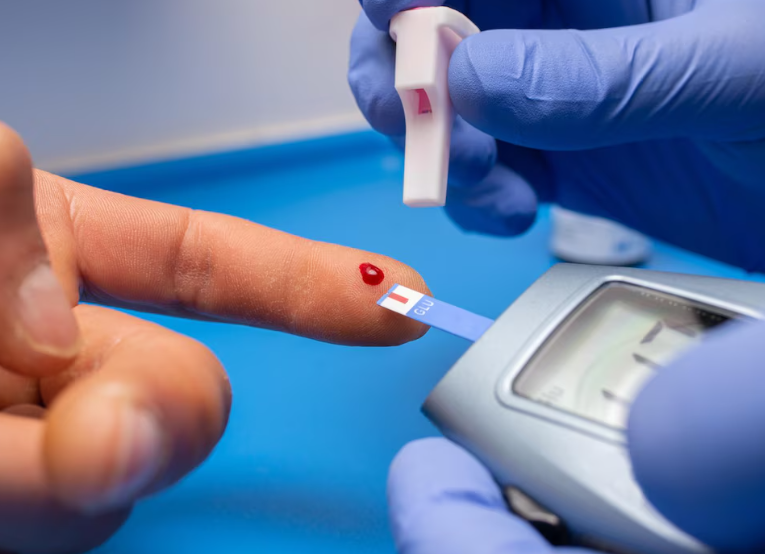
Regular blood glucose monitoring can show how food, physical activity, illness, stress, and medicines affect your glucose levels. Your healthcare professional can tell you whether you need to check your glucose at home and how often to do so.
A blood glucose meter measures glucose from a small blood sample. Some people may also use a continuous glucose monitor (CGM). A CGM estimates glucose levels at frequent intervals and can show changes throughout the day and night. See how continuous glucose monitoring works.
Keeping a record of glucose readings can be useful. You may also record relevant information such as meals, physical activity, medicines, and symptoms. These details can help your healthcare team identify patterns and decide whether your care plan needs adjustment.
Understanding Your Glucose Targets
There is no single glucose target that is appropriate for everyone. Your healthcare team should establish targets based on your individual circumstances.
For example, NIDDK notes that many people with diabetes have a before-meal target of 80 to 130 mg/dL and a target of less than 180 mg/dL about two hours after a meal begins. However, individual goals may differ. Do not change your treatment or medication doses based on general targets alone. Discuss your readings with your healthcare professional.
Understanding A1C Testing
The A1C test provides information about average blood glucose over roughly the previous two to three months. It is different from a single home glucose reading because it provides a longer-term picture.
Your healthcare professional may recommend A1C testing at regular intervals. The frequency depends on your diabetes type, treatment, and how well your current plan is working.
A1C is only one part of diabetes care. Your healthcare team may also consider home glucose readings, CGM information, blood pressure, cholesterol, symptoms, medicines, and lifestyle factors.
Diabetes Treatment and Medicines
Diabetes treatment depends on the type of diabetes and the individual’s health needs. People with type 1 diabetes need insulin because their bodies do not make enough insulin. Some people with type 2 diabetes may manage their condition with lifestyle changes, while others need one or more medicines. Explore diabetes medicines and treatment options.
Medicines can include tablets, injectable treatments, or insulin. The right choice can depend on glucose levels, other medical conditions, potential side effects, cost, insurance coverage, and lifestyle.
Take medicines exactly as prescribed. If you have trouble paying for medicine, experience side effects, or find your schedule difficult to follow, tell your healthcare team. They may be able to identify safer or more practical options.
Why Medication Consistency Matters
It can be tempting to stop taking a medicine when you feel well. However, diabetes can remain active even when symptoms are not obvious. Follow the treatment plan provided by your healthcare professional.
Never change insulin or other diabetes medicine doses without professional guidance. Diabetes treatment often requires careful balancing of medication, food, activity, and other factors.
Healthy Eating for Diabetes
A healthy diabetes eating plan does not have to mean eliminating every food you enjoy. Instead, the goal is to create an eating pattern that supports your health and fits your needs.
Many diabetes-friendly meal plans include nonstarchy vegetables, fruits, whole grains, protein foods, and suitable dairy or plant-based alternatives. Water and other drinks with little or no added sugar can also be useful choices. Read more about healthy living with diabetes.
Carbohydrates are important because they can raise blood glucose after eating. However, carbohydrates do not need to be avoided completely. Your healthcare team or a registered dietitian can help you understand portions and meal timing.
The Plate Method
The plate method is one simple way to plan balanced meals. It generally divides a plate into sections for nonstarchy vegetables, carbohydrate-containing foods, and protein foods.
This approach can help with portion awareness without requiring you to measure every ingredient. Your individual needs may be different, so ask your healthcare professional or dietitian whether this method is appropriate for you.
Physical Activity and Diabetes
Regular physical activity can support diabetes management. It may help improve blood glucose, blood pressure, cholesterol, heart health, mood, sleep, and overall fitness.
Choose activities that are appropriate for your age, health, ability, and treatment plan. Walking, cycling, swimming, recreational activities, and other forms of movement may be options for some people.
If you use insulin or certain medicines, physical activity can sometimes cause blood glucose to fall too low. Ask your healthcare team how to exercise safely and whether you need to monitor glucose around activity. Learn about physical activity and diabetes.
Sleep and Stress Management
Healthy habits extend beyond food and exercise. Sleep and stress management can also support diabetes care.
Irregular sleep may make healthy routines harder to maintain. Stress can also affect eating patterns, activity, and other daily habits. Creating a consistent sleep routine and finding healthy ways to manage stress may make diabetes self-care easier.
Simple habits can include maintaining a regular bedtime, limiting distractions before sleep, staying connected with supportive people, and discussing persistent emotional difficulties with a qualified healthcare professional.
Preventing Diabetes Complications
Good diabetes management includes more than glucose control. Regular healthcare visits can help monitor other important areas of health.
Your healthcare team may recommend checking blood pressure and cholesterol, along with appropriate kidney, eye, nerve, and foot assessments. The exact schedule depends on your diabetes type and individual risk factors.
Foot care is especially important because diabetes can contribute to nerve and circulation problems. Tell your healthcare professional about persistent foot changes, injuries, or other concerns rather than ignoring them.
Building Healthy Habits That Last
Long-term diabetes self-management can feel overwhelming if you try to change everything at once. Small, realistic habits are often easier to maintain.
Start with one or two practical goals. You might focus on taking medicines consistently, adding regular movement to your routine, preparing balanced meals, or keeping better records of glucose readings.
Use reminders, calendars, phone tools, or written logs if they make your routine easier. Your healthcare team can also help you set goals that are realistic for your situation.
The American Diabetes Association emphasizes medical care, healthy eating, and physical activity as key parts of type 2 diabetes management. Explore the American Diabetes Association’s diabetes care guide.
When to Contact Your Healthcare Team
Contact your healthcare professional if your glucose readings are frequently outside your recommended range, if you experience repeated episodes of low blood glucose, or if you have concerns about your medicines or treatment plan.
Illness, changes in activity, changes in eating habits, and other circumstances can affect diabetes management. Your healthcare team can provide individualized advice about what to do when your usual routine changes.
If you experience a severe or urgent health problem, seek immediate medical attention through the appropriate local emergency service. Do not wait for a routine diabetes appointment when urgent care is needed.
Final Thoughts on Diabetes Management
Diabetes Management: Monitoring, Treatment, and Healthy Habits is a long-term process. The goal is not perfection. The goal is to build a practical care routine that supports your health over time.
Regular monitoring can reveal useful patterns. Prescribed treatment can help control blood glucose. Balanced eating, appropriate physical activity, adequate sleep, and stress management can support your overall well-being.
Most importantly, diabetes care should be personalized. Work with your healthcare team to establish glucose targets, choose appropriate treatments, and create healthy habits that fit your daily life. Reliable education and regular professional care can make diabetes management more understandable and manageable.
For additional evidence-based information, visit the National Institute of Diabetes and Digestive and Kidney Diseases diabetes resources or explore the American Diabetes Association diabetes resources.
Suggested Internal Links
Diabetes Prevention: Risk Factors and Healthy Lifestyle Choices
Healthy Eating Guide: Building Balanced Meals