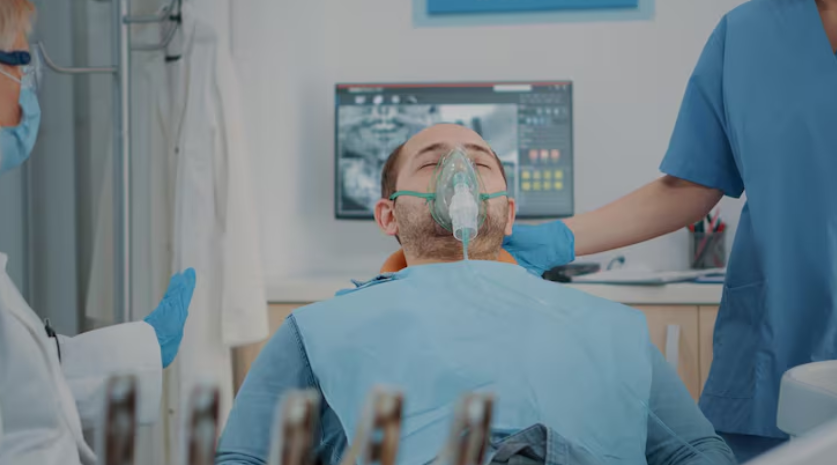
What Is Sleep Apnea?
Sleep apnea occurs when normal breathing is disrupted during sleep. The two main types are obstructive sleep apnea and central sleep apnea.
Obstructive sleep apnea (OSA) occurs when the upper airway becomes blocked or narrowed during sleep. This can lead to repeated interruptions in breathing. Snoring, gasping, or pauses in breathing may occur, although not everyone with OSA has obvious snoring.
Central sleep apnea happens when the brain does not send the correct signals to the muscles involved in breathing. It has different causes and may require a different treatment approach.
Because the two types have different mechanisms, an accurate diagnosis is important before choosing treatment.
Common Signs That May Lead to a Sleep Apnea Evaluation
Symptoms can vary. Some people notice problems themselves, while others learn about them from a family member who observes changes during sleep.
Possible signs include loud or persistent snoring, breathing pauses during sleep, waking with a dry mouth, morning headaches, restless sleep, or feeling unusually tired during the day.
For teenagers, daytime sleepiness may appear as difficulty concentrating, irritability, or problems staying alert. Children may show different signs. These can include behavioral or learning difficulties, mouth breathing, or restless sleep.
These symptoms can have many causes. Having one symptom does not prove that someone has sleep apnea. A healthcare professional should evaluate persistent concerns.
How Doctors Diagnose Sleep Apnea
The first step in sleep apnea diagnosis is usually a health history and symptom review. A healthcare professional may ask about sleep patterns, daytime symptoms, family history, medicines, and other health conditions.
A sleep diary can also provide useful information about sleep duration and daytime sleepiness. Your healthcare professional may then decide whether a sleep study is appropriate. See how sleep apnea is diagnosed.
Sleep Studies
A sleep study, also called a sleep test, records information about what happens while you sleep. Depending on the situation, the test may take place at home or at a sleep center.
An overnight sleep-center study can monitor information such as breathing, heart rate, oxygen levels, brain activity, and body movements. A home sleep apnea test uses a portable device to collect selected measurements while you sleep.
Your healthcare professional will determine which type of test is appropriate. A sleep study can help identify whether sleep apnea is present, determine its type, and help assess its severity.
Why an Accurate Diagnosis Matters
Different sleep disorders can cause similar symptoms. Daytime tiredness, for example, can result from insufficient sleep, insomnia, certain medicines, medical conditions, or other sleep disorders.
That is why buying a device or starting a treatment based only on symptoms may not address the underlying problem. A professional evaluation helps match treatment to the actual cause.
For young people, an evaluation should also consider normal growth and development. Parents or guardians should discuss persistent sleep concerns with a pediatrician or qualified sleep professional.
CPAP and Other Positive Airway Pressure Treatments
Positive airway pressure (PAP) is one of the most common treatments for obstructive sleep apnea. PAP devices use air pressure to help keep the airway open during sleep.
CPAP, or continuous positive airway pressure, provides a steady level of pressure. Other PAP systems can adjust pressure or provide different pressure levels during inhalation and exhalation.
A PAP system generally includes a machine, tubing, and a mask or nasal interface. Your healthcare professional selects the appropriate equipment and settings.
PAP treatment can take time to get used to. Mask fit, dryness, congestion, or discomfort can sometimes make treatment difficult. These problems should be discussed with your healthcare provider. A different mask, humidification, or another adjustment may improve comfort. Learn how CPAP works.
Using PAP Consistently
When PAP is prescribed, consistent use is important. It should generally be used whenever you sleep, including naps, unless your healthcare professional gives different instructions.
Modern PAP machines can store information about use and treatment performance. Your healthcare team may review this information to determine whether the treatment is working effectively.
Do not change pressure settings yourself unless your healthcare professional instructs you to do so.
Oral Appliance Therapy
An oral appliance is a device worn in the mouth during sleep. Some appliances work by positioning the lower jaw forward to help keep the airway open.
Oral appliances may be considered for some people with obstructive sleep apnea. They can also be an option when someone cannot tolerate PAP therapy. A qualified dentist with appropriate training can fit and monitor a custom device.
Oral appliances are not automatically suitable for everyone. Their effectiveness can depend on the type and severity of sleep apnea and individual anatomy. Your sleep professional can help determine whether this option makes sense.
The American Academy of Sleep Medicine has published clinical guidance on oral appliance therapy for obstructive sleep apnea. Review professional guidance on oral appliance therapy.
Lifestyle Measures and Sleep Habits
Lifestyle changes can support sleep apnea treatment, although they do not replace prescribed therapy when medical treatment is needed.
Regular physical activity and consistent sleep habits can support overall health. For some adults with obstructive sleep apnea, a healthcare professional may recommend changes related to body weight if those changes are medically appropriate.
Sleep position can also matter. Some people have more airway obstruction when sleeping on their back. A healthcare professional may recommend side sleeping when appropriate.
For teenagers, weight should not be managed through restrictive eating or excessive exercise. Healthy growth and development should remain the priority. Any weight-related health concern should be discussed with a pediatrician or qualified healthcare professional.
Other Treatment Options
Some people need treatments beyond PAP or oral appliances. The choice depends on the type of sleep apnea, anatomy, severity, age, and response to other treatments.
Orofacial Therapy
Orofacial therapy involves exercises for the mouth, tongue, facial muscles, and upper airway. NHLBI notes that this approach may help some children and adults with sleep apnea. A qualified professional can determine whether it is appropriate.
Surgery and Implanted Devices
In selected cases, surgery may be considered when other treatments are unsuccessful or when anatomical factors contribute to airway obstruction. Procedures can address structures in the throat, tonsils, or jaw.
Some people may also qualify for implanted nerve-stimulation devices. These treatments require careful medical evaluation and are not appropriate for everyone. Explore sleep apnea treatment options.
Sleep Apnea Treatment for Children and Teenagers
Sleep apnea can occur in children and teenagers, and treatment may differ from adult care. Enlarged tonsils or adenoids can contribute to obstructive sleep apnea in children. A pediatric healthcare professional can evaluate symptoms and determine the appropriate next step.
Treatment might include addressing an underlying airway problem, PAP therapy, or another approach. The child’s age, development, symptoms, and sleep-study results all matter.
Parents and caregivers should avoid trying adult sleep apnea treatments without medical advice. If a young person snores regularly, has breathing pauses during sleep, or has persistent daytime sleepiness, discuss the symptoms with a pediatrician or sleep specialist.
How to Know if Treatment Is Working
Successful sleep apnea care involves more than simply using a device. Your healthcare professional may assess symptoms, sleep quality, daytime alertness, and treatment data.
Follow-up may also involve checking whether breathing events have been reduced and whether the equipment is being used correctly. If symptoms continue, tell your healthcare provider. Treatment may need adjustment.
For oral appliances, follow-up with the appropriate dental and sleep professionals can help confirm that the device remains effective and fits properly.
What to Do if Treatment Feels Difficult
It is common to need an adjustment period with PAP or other treatments. Do not simply stop treatment if you are struggling with it. Tell your healthcare provider what is happening.
For PAP therapy, issues such as mask leaks, dryness, nasal congestion, or discomfort may be manageable with equipment changes. Your provider can help identify an appropriate solution.
If you have been prescribed an oral appliance and experience discomfort or notice that symptoms remain, contact the dentist or sleep professional managing your treatment.
Sleep Apnea and Everyday Safety
Untreated sleep apnea can contribute to excessive daytime sleepiness and problems with attention. These symptoms can affect everyday safety.
If you feel unusually sleepy, especially while traveling or doing an activity that requires sustained attention, tell a trusted adult or healthcare professional and follow appropriate safety advice. NHLBI specifically advises people with sleep apnea to avoid driving when they feel tired or sleepy. Learn about living safely with sleep apnea.
When Should You Talk to a Doctor?
Talk with a healthcare professional if you or someone close to you notices persistent snoring, breathing pauses during sleep, gasping during sleep, or significant daytime sleepiness.
For a teenager, a parent, guardian, pediatrician, school health professional, or another trusted adult can help arrange appropriate care.
Do not assume that snoring is harmless if it is persistent or accompanied by other symptoms. A proper evaluation can determine whether sleep apnea or another sleep problem is involved.
Final Thoughts on Sleep Apnea Treatment
Sleep Apnea Treatment: Understanding Diagnosis and Treatment Options begins with an accurate evaluation. Symptoms alone cannot reliably determine the type or severity of sleep apnea. A healthcare professional may recommend a sleep study to understand what happens during sleep.
Once a diagnosis is established, treatment can be personalized. PAP therapy is a common option for obstructive sleep apnea. Oral appliances may suit some people. Lifestyle measures, orofacial therapy, surgery, and other treatments can have a role in selected cases.
The most important step is to work with qualified healthcare professionals and attend follow-up appointments. If treatment causes problems, ask for help rather than abandoning it without medical guidance.
For reliable information, visit the National Heart, Lung, and Blood Institute sleep apnea resources and discuss any persistent symptoms with a qualified healthcare professional.
Suggested Internal Links
Replace these example paths with relevant pages on your own WordPress website.
Sleep Health Guide: Building Better Sleep Habits
Sleep Disorders: Common Signs and When to Seek Care
Heart Health Guide: Everyday Ways to Support Cardiovascular Health
Blood Pressure Management: Understanding High Blood Pressure Care