What Is High Blood Pressure?
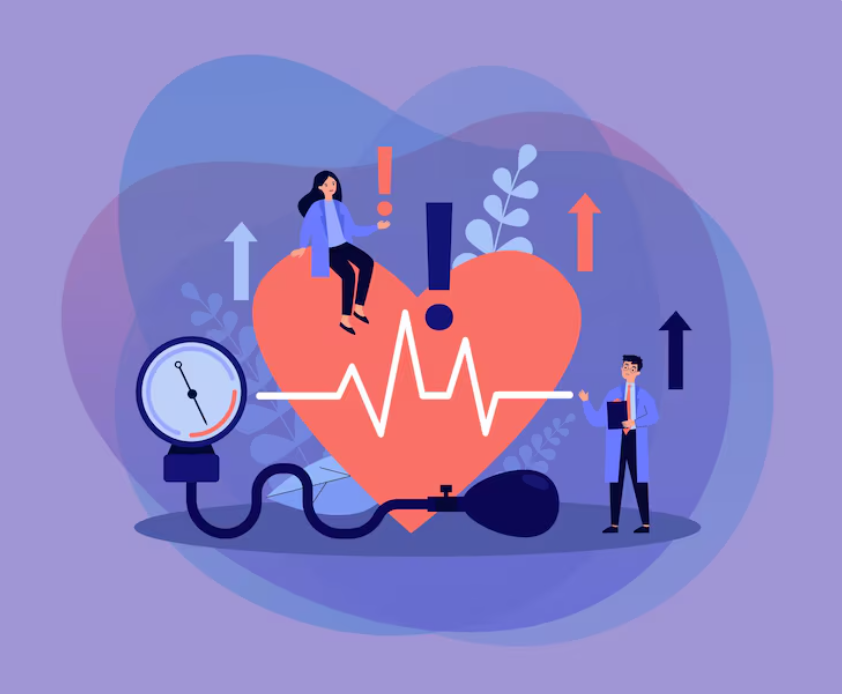
Blood pressure measures the force of blood pushing against the walls of the arteries. The reading contains two numbers. Systolic pressure is the top number. Diastolic pressure is the bottom number.
The 2025 American Heart Association and American College of Cardiology guideline defines normal blood pressure as below 120/80 mm Hg. It classifies 130–139 systolic or 80–89 diastolic as stage 1 hypertension and 140 or higher systolic or 90 or higher diastolic as stage 2 hypertension. Treatment decisions should be based on repeated measurements and individual risk rather than one isolated reading. ([heart.org](https://www.heart.org/en/health-topics/high-blood-pressure/the-facts-about-high-blood-pressure/top-10-things-to-know?utm_source=chatgpt.com))
For more detailed information, patients can review the NIH guide to high blood pressure.
Why Treating High Blood Pressure Matters
High blood pressure can quietly affect the body for years. A person may feel completely well while the condition is increasing their long-term cardiovascular risk.
Uncontrolled hypertension can contribute to damage involving the heart, brain, kidneys, and blood vessels. The 2025 AHA/ACC guideline identifies high blood pressure as a major modifiable risk factor for cardiovascular disease, stroke, heart failure, chronic kidney disease, and cognitive decline. ([heart.org](https://professional.heart.org/en/science-news/2025-high-blood-pressure-guideline/top-things-to-know?utm_source=chatgpt.com))
That is why hypertension treatment is not simply about making a number look better. The broader goal is to reduce health risks while supporting long-term quality of life.
How Doctors Choose High Blood Pressure Treatment
There is no universal treatment plan for hypertension. A healthcare professional may review blood pressure readings, medical history, kidney function, cholesterol, diabetes status, medications, family history, and overall cardiovascular risk.
The 2025 guideline recommends a blood pressure treatment goal below 130/80 mm Hg for most adults, while noting that individual circumstances may require additional considerations. ([heart.org](https://professional.heart.org/en/science-news/2025-high-blood-pressure-guideline/top-things-to-know?utm_source=chatgpt.com))
Medication may be recommended at different blood pressure levels depending on a person’s cardiovascular risk and other health conditions. Lifestyle changes are an important part of treatment at every stage.
Lifestyle Changes for High Blood Pressure
Lifestyle changes can help lower blood pressure and improve overall cardiovascular health. They may be used alone for some people with lower-risk hypertension or alongside medication for others.
Follow a Heart-Healthy Eating Pattern
Food choices can have a meaningful effect on blood pressure. The DASH eating plan is one commonly recommended approach. It emphasizes vegetables, fruits, whole grains, legumes, nuts, seeds, low-fat or fat-free dairy products, and other nutrient-rich foods.
Reducing sodium is also important. The AHA recommends limiting sodium to no more than 2,300 milligrams per day for adults, with an ideal goal of no more than 1,500 milligrams for many people with high blood pressure. Individual needs can vary. ([heart.org](https://www.heart.org/en/health-topics/high-blood-pressure/changes-you-can-make-to-manage-high-blood-pressure?utm_source=chatgpt.com))
Reading food labels can make lower-sodium choices easier. Restaurant meals and packaged foods can contain substantial amounts of sodium, so checking portions and labels is useful.
Stay Physically Active
Regular physical activity can help lower blood pressure and support heart health. The right activity depends on a person’s age, fitness level, health conditions, and abilities.
A healthcare professional can help determine an appropriate activity plan. Starting gradually may be useful for people who have been inactive.
Maintain a Healthy Weight
For people who are above their recommended weight range, achieving a healthier weight can support blood pressure control. The goal should be sustainable health rather than rapid or extreme changes.
The 2025 AHA/ACC guideline includes maintaining or achieving a healthy weight as part of lifestyle-based blood pressure management. ([heart.org](https://professional.heart.org/en/science-news/2025-high-blood-pressure-guideline/top-things-to-know?utm_source=chatgpt.com))
Manage Stress and Sleep
Stress management is another part of a heart-healthy lifestyle. Relaxation techniques, regular physical activity, social support, and good sleep habits may help people maintain healthier routines.
Sleep problems should also be discussed with a healthcare professional, especially when someone regularly has difficulty sleeping or has symptoms that could indicate a sleep disorder.
Limit or Avoid Alcohol and Tobacco
Reducing alcohol intake can support blood pressure control. Smoking also harms blood vessels and increases cardiovascular risk. People who smoke should discuss evidence-based support for quitting with a healthcare professional.
Common Blood Pressure Medications
When lifestyle changes are not enough, or when medication is recommended because of blood pressure level or cardiovascular risk, several types of medicines may be used.
ACE Inhibitors
ACE inhibitors help relax blood vessels by affecting a hormonal system involved in blood pressure regulation. They are commonly used for hypertension and may be particularly useful for some people with certain heart or kidney conditions.
These medicines can cause side effects in some patients. A healthcare professional should determine whether an ACE inhibitor is appropriate.
Angiotensin II Receptor Blockers
ARBs, or angiotensin II receptor blockers, also help prevent blood vessels from narrowing. They work through a related pathway but are different from ACE inhibitors.
A healthcare professional may choose an ARB when it is suitable based on the patient’s medical history and treatment needs.
Calcium Channel Blockers
Calcium channel blockers help relax blood vessels and can reduce blood pressure. Some medicines in this class are also used for certain heart conditions.
Possible side effects vary by medicine. Patients should report new or bothersome symptoms to their healthcare professional rather than stopping treatment on their own.
Thiazide-Type Diuretics
Thiazide-type diuretics help the body remove excess sodium and water. They are widely used in hypertension treatment and may be prescribed alone or with other medicines.
NHLBI lists ACE inhibitors, ARBs, calcium channel blockers, and thiazide-type diuretics among common high blood pressure medication options. ([nhlbi.nih.gov](https://www.nhlbi.nih.gov/health/high-blood-pressure/treatment?utm_source=chatgpt.com))
Why Some Patients Need More Than One Medicine
One medicine does not always provide enough blood pressure reduction. Some people need two or more medications that work in different ways.
Combination therapy can sometimes simplify treatment. The 2025 AHA/ACC guideline recommends two first-line medicines from different classes for adults with stage 2 hypertension, preferably in a single combination pill when appropriate. ([heart.org](https://professional.heart.org/en/science-news/2025-high-blood-pressure-guideline/top-things-to-know?utm_source=chatgpt.com))
Using a single pill that contains more than one medicine may reduce the number of tablets a person needs to remember. However, the appropriate treatment should always be determined by a healthcare professional.
Home Blood Pressure Monitoring
Home blood pressure monitoring can provide useful information between medical appointments. It can help healthcare professionals understand whether treatment is working and identify patterns that may not appear during a single office visit.
Use a validated upper-arm blood pressure monitor when possible. Follow the manufacturer’s instructions and the measurement method recommended by your healthcare professional.
The 2025 AHA/ACC guideline emphasizes home monitoring as an important tool for improving blood pressure control. It also advises against relying on cuffless devices such as smartwatches for accurate blood pressure measurement until their precision and reliability are established. ([heart.org](https://professional.heart.org/en/science-news/2025-high-blood-pressure-guideline/top-things-to-know?utm_source=chatgpt.com))
For additional education, visit the American Heart Association high blood pressure resources.
Taking Blood Pressure Medicine Safely
Taking medication exactly as prescribed is an important part of blood pressure management. Do not reduce the dose or stop a prescribed medicine simply because you feel well.
High blood pressure often causes no symptoms. Feeling normal does not necessarily mean that blood pressure is controlled.
If a medicine causes side effects, contact the prescribing healthcare professional. The dose may need adjustment, or another medicine may be more appropriate.
It is also important to tell your healthcare team about prescription medicines, over-the-counter products, and supplements. Some products can interact with blood pressure medicines or increase blood pressure. The AHA recommends checking with a healthcare professional or pharmacist before using over-the-counter medicines or supplements when you have hypertension. ([heart.org](https://www.heart.org/en/health-topics/high-blood-pressure/changes-you-can-make-to-manage-high-blood-pressure/managing-high-blood-pressure-medications?utm_source=chatgpt.com))
High Blood Pressure During Pregnancy
Pregnancy requires special consideration. Some blood pressure medicines are not appropriate during pregnancy, while others may be used under medical supervision.
Anyone who is pregnant, planning pregnancy, or recently gave birth should tell their healthcare professional about high blood pressure and all medicines they take. Blood pressure management during and around pregnancy can help reduce serious complications.
When High Blood Pressure Requires Urgent Attention
Very high blood pressure can require prompt medical assessment. The 2025 guideline identifies blood pressure above 180/120 mm Hg as severe hypertension in nonpregnant adults. The appropriate response depends on whether there are signs of acute organ damage. ([heart.org](https://professional.heart.org/en/science-news/2025-high-blood-pressure-guideline/top-things-to-know?utm_source=chatgpt.com))
If a very high reading occurs together with symptoms such as chest pain, severe shortness of breath, weakness or numbness, vision changes, confusion, or difficulty speaking, seek emergency medical care immediately.
Do not attempt to rapidly lower blood pressure yourself with extra medication unless a healthcare professional has specifically instructed you to do so.
Questions Patients Should Ask Their Healthcare Team
A good treatment plan starts with good communication. Patients can ask what their blood pressure goal is and how often they should check it at home.
It is also helpful to ask why a particular medication was chosen, what side effects to watch for, whether other medicines or supplements could interfere with treatment, and when blood pressure should be checked again.
If medication cost is a concern, mention it. A pharmacist or healthcare professional may be able to discuss lower-cost alternatives or available assistance programs.
Final Thoughts on High Blood Pressure Treatment
High Blood Pressure Treatment: What Patients Should Know is ultimately about creating a long-term plan that fits the patient’s health needs. Lifestyle changes can make a significant difference. Medication may also be necessary. Many people benefit from using both approaches together.
The most important step is to work with a qualified healthcare professional. Regular monitoring, appropriate medication use, healthy lifestyle habits, and follow-up care can help keep blood pressure under control and reduce long-term health risks.
For broader information about cardiovascular health, readers can explore the heart health guide and chronic disease management resources on this website.
Medical disclaimer: This article is for general educational purposes only. It does not diagnose, treat, or prevent any medical condition and should not replace personalized medical advice. Do not start, stop, or change prescription medication without speaking with a qualified healthcare professional.