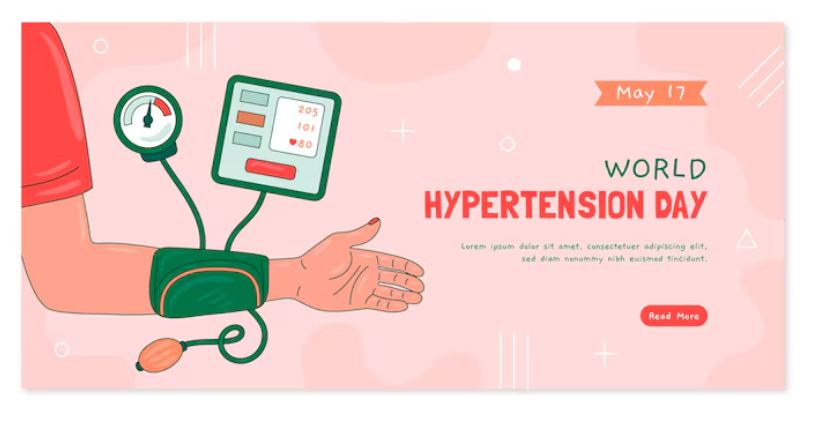
Blood Pressure Management: Understanding High Blood Pressure Care starts with knowing your numbers and understanding what they mean. High blood pressure, also called hypertension, often has no obvious symptoms. Yet over time, uncontrolled hypertension can increase the risk of heart disease, stroke, kidney disease, and other serious health problems. Regular monitoring and appropriate care can help reduce these risks. Learn more about high blood pressure from the National Heart, Lung, and Blood Institute.
Managing blood pressure is not about one reading or one lifestyle change. It is an ongoing process. A complete plan may include home monitoring, healthy eating, physical activity, stress management, regular medical appointments, and prescription medicine when needed.
This guide explains how blood pressure management works, how to monitor readings correctly, and which healthy habits can support long-term heart health.
What Is High Blood Pressure?
Blood pressure measures the force of blood pushing against the walls of your arteries. A reading has two numbers. The systolic pressure is the upper number. It represents pressure when the heart contracts. The diastolic pressure is the lower number. It represents pressure when the heart relaxes between beats.
According to current American Heart Association and American College of Cardiology guidance, normal adult blood pressure is below 120/80 mm Hg. An average systolic reading of 130 to 139 or a diastolic reading of 80 to 89 falls within stage 1 hypertension. Stage 2 hypertension begins at 140 systolic or 90 diastolic.
A healthcare professional should diagnose hypertension using appropriate measurements and clinical information. One unusual reading does not necessarily mean you have high blood pressure.
Why Blood Pressure Management Matters
High blood pressure can damage blood vessels over time. This can place extra strain on the heart and other organs. Because hypertension often has no noticeable symptoms, regular screening is important.
Uncontrolled high blood pressure is associated with a higher risk of heart attack, stroke, heart failure, kidney disease, and other complications. Managing it early can help prevent or delay some of these problems.
That is why blood pressure management should be viewed as part of overall health care rather than a short-term goal.
How to Monitor Blood Pressure at Home
Home monitoring can provide useful information between healthcare appointments. The American Heart Association recommends an automatic, validated, upper-arm cuff-style monitor for people who need to monitor their blood pressure at home. Wrist and finger monitors are generally less reliable.
Proper technique matters. Before taking a measurement, avoid exercise, smoking, and caffeinated drinks for about 30 minutes. Empty your bladder, then sit quietly for at least five minutes.
Keep your back supported. Place your feet flat on the floor. Rest your arm on a surface so the cuff is positioned around heart level. Put the cuff on bare skin rather than over clothing.
Take two readings about one minute apart and record the results. Your healthcare professional can tell you how frequently to measure your blood pressure based on your circumstances.
Keep a Blood Pressure Log
A single reading is only a snapshot. A record of readings over several days can provide a clearer picture of your blood pressure patterns.
Write down the date, time, and readings. You can also note relevant information, such as whether you had recently exercised or felt unwell. Bring your log or monitor to medical appointments when requested.
Home monitoring does not replace regular medical care. Do not stop or change prescribed blood pressure medicine because of home readings unless your healthcare professional tells you to do so.
Healthy Eating for Better Blood Pressure
Food choices can play an important role in high blood pressure care. A heart-healthy eating pattern can include vegetables, fruits, whole grains, beans, nuts, lean protein sources, and other nutrient-rich foods.
The DASH eating plan is one well-known approach. DASH stands for Dietary Approaches to Stop Hypertension. It emphasizes nutritious foods and can be combined with lower sodium intake as part of a blood pressure management plan.
Sodium is another important consideration. Many processed and packaged foods contain substantial amounts of sodium. Reading nutrition labels can help you identify foods that fit your personal dietary goals.
You do not need to make every change at once. Start with practical steps, such as adding more vegetables to meals or choosing lower-sodium options when available.
Physical Activity and Blood Pressure
Regular physical activity can support cardiovascular health and help lower or control blood pressure. It can also improve fitness, sleep, mood, and overall well-being.
Choose activities that are appropriate for your age and health. Walking, cycling, swimming, dancing, and other moderate activities may be suitable options for many people.
If you have a medical condition or are new to exercise, ask a healthcare professional what level of activity is appropriate. The goal is to build a sustainable routine rather than make sudden, extreme changes.
The National Heart, Lung, and Blood Institute recommends regular physical activity as part of a heart-healthy lifestyle. Explore high blood pressure treatment and lifestyle guidance.
Maintain Healthy Lifestyle Habits
Blood pressure management involves several connected habits. Sleep, stress, smoking, alcohol use, nutrition, and physical activity can all affect cardiovascular health.
Prioritize Good Sleep
Consistent, good-quality sleep supports overall health. For adults, NHLBI recommends aiming for about seven to nine hours of sleep each night. A regular bedtime routine can make healthy sleep easier.
Manage Stress
Stress is a normal part of life. However, ongoing stress can make healthy routines harder to maintain. Simple strategies such as regular activity, relaxation practices, adequate sleep, and talking with a trusted professional may help.
Avoid Smoking
Smoking can damage blood vessels and increase cardiovascular risk. If you smoke, ask a healthcare professional about evidence-based support for quitting. Avoiding tobacco is an important part of protecting heart and blood vessel health.
When Are Blood Pressure Medicines Used?
Lifestyle changes are important, but they are not always enough on their own. Depending on your blood pressure readings and overall cardiovascular risk, a healthcare professional may recommend prescription medicine.
Common categories include ACE inhibitors, angiotensin II receptor blockers, calcium channel blockers, and diuretics. Each type works differently. Your healthcare professional chooses treatment based on factors such as your blood pressure, other health conditions, possible side effects, and overall risk.
Some people need more than one medicine to reach their blood pressure goal. If you experience side effects or have difficulty taking medicine as prescribed, tell your healthcare professional. They may be able to adjust your treatment.
Never change or stop prescription blood pressure medicine without medical guidance.
Regular Medical Checkups Are Important
Home monitoring is useful, but it is only one part of high blood pressure care. Regular appointments allow your healthcare team to review your readings and assess other cardiovascular risk factors.
Your care may include checks of cholesterol, blood sugar, kidney health, weight, and other factors. Your healthcare professional can also review medicines and discuss lifestyle goals.
Keeping a list of your medicines and bringing your home blood pressure readings to appointments can make these conversations more useful.
Understanding Very High Blood Pressure
Occasionally, a blood pressure reading can be extremely high. If a reading is above 180/120 mm Hg, wait at least one minute and measure it again. If it remains that high, contact a healthcare professional promptly.
If a reading above 180/120 mm Hg occurs with symptoms such as chest pain, shortness of breath, weakness, numbness, vision changes, or difficulty speaking, it can indicate a medical emergency. Seek emergency medical help immediately.
Do not attempt to manage a potential emergency at home. Urgent symptoms require urgent medical assessment.
Creating a Sustainable Blood Pressure Plan
The most effective blood pressure management plan is one you can follow consistently. Trying to change everything overnight can be difficult. Instead, focus on manageable steps.
You might begin by measuring your blood pressure correctly, keeping a log, or making one heart-healthy food change. Once a habit becomes routine, consider adding another goal.
Technology can also help. Some people use digital reminders or health apps to track readings and medication schedules. Ask your healthcare professional or pharmacist whether a particular tool is appropriate for you. NHLBI notes that tracking tools can help people stay organized with blood pressure care.
Final Thoughts on Blood Pressure Management
Blood Pressure Management: Understanding High Blood Pressure Care is about building a long-term approach to cardiovascular health. Regular monitoring helps you understand your numbers. Healthy eating, physical activity, good sleep, stress management, and avoiding tobacco can support better heart health.
For some people, prescription medicine is also an important part of treatment. The right plan depends on individual health needs, so work with a qualified healthcare professional when making decisions about diagnosis or treatment.
Small, consistent habits can make long-term care more manageable. Start by knowing your blood pressure, keeping track of your readings when advised, attending regular appointments, and following the treatment plan recommended for you.
For additional evidence-based information, visit the American Heart Association high blood pressure resources or the National Heart, Lung, and Blood Institute high blood pressure guide.
Suggested Internal Links
Replace these example paths with the relevant pages on your own WordPress website.
Heart Health Guide: Everyday Habits for a Healthy Heart
Healthy Eating Guide: Building a Heart-Healthy Diet
Exercise and Heart Health: Understanding the Benefits of Physical Activity