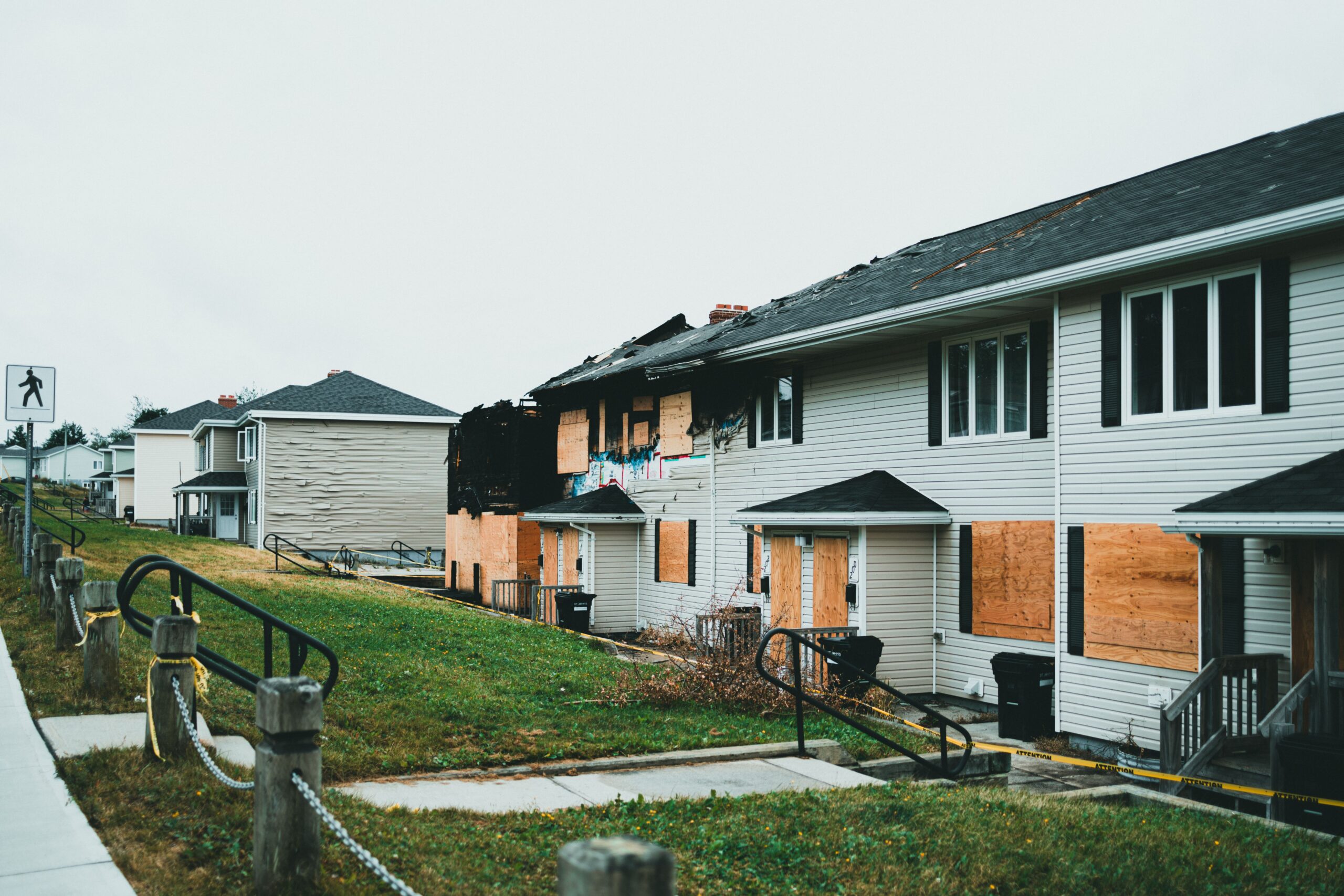
Insurance companies can offer very different rates for similar homes. Your location, home’s age, construction, replacement cost, claims history, deductible, and selected coverage can all affect your premium. By comparing several quotes, you can see how insurers price your risk and identify better value.
This guide explains how home insurance quotes work, which coverage options matter, how to compare premiums, and practical ways to find affordable homeowners insurance without sacrificing important protection.
What Are Home Insurance Quotes?
A home insurance quote is an estimate of the premium an insurer may charge for a particular homeowners insurance policy. The quote is based on information about your home, property, location, household, insurance history, and desired coverage.
Your final premium can change if information is verified or if the insurer identifies additional factors during the underwriting process. Therefore, provide accurate information whenever you request a quote.
Before shopping, gather basic details about your property. These may include the home’s construction year, square footage, roof age, heating system, security features, mortgage information, and previous insurance history. Having these details ready can make the quote process easier.
Why Compare Home Insurance Quotes?
Insurance companies use different underwriting models. One insurer may offer a competitive rate for your property, while another may charge considerably more for similar coverage.
Comparing quotes helps you understand the market before making a decision. It can also reveal discounts or coverage features you may not have considered.
When you compare homeowners insurance quotes, look at more than the monthly or annual premium. Review the coverage limits, deductibles, exclusions, endorsements, discounts, and claims service.
For additional guidance, you can review our best home insurance companies guide to learn more about comparing insurers and policy features.
What Does Homeowners Insurance Cover?
A standard homeowners insurance policy can provide several types of protection. Exact coverage varies by insurer and policy, so always read the policy documents carefully.
Dwelling Coverage
Dwelling coverage is designed to protect the physical structure of your home against covered causes of loss. This can include parts of the building such as walls, roof, floors, and permanently attached structures.
The dwelling coverage limit should generally reflect the estimated cost to rebuild the home rather than its market value. Construction costs can differ from the home’s sale price, especially in areas with high labor and material costs.
Other Structures Coverage
This coverage can apply to certain structures on your property that are separate from the main home. Examples may include detached garages, sheds, fences, or other eligible structures.
Personal Property Coverage
Personal property coverage can help protect belongings such as furniture, clothing, electronics, and other eligible possessions after a covered loss.
Create a home inventory to make this coverage easier to manage. Keep receipts, photographs, and important documents in a secure location. A detailed inventory can also make the claims process easier if you experience a major loss.
Loss of Use Coverage
If a covered event makes your home temporarily unlivable, loss of use coverage may help with certain additional living expenses. Depending on the policy, this can include eligible costs for temporary housing and other necessary expenses.
Personal Liability Coverage
Personal liability coverage can help protect you if you are legally responsible for certain injuries or property damage involving another person. It may also help with eligible legal defense costs, subject to the policy terms and limits.
Medical Payments Coverage
Medical payments coverage can help pay certain medical expenses when a person is injured on your property, subject to policy conditions and limits. It is generally different from personal liability coverage because it may apply without requiring a finding that you were legally responsible.
How to Compare Affordable Home Insurance Coverage
When comparing home insurance quotes, start by making the coverage comparable. Request quotes with similar dwelling limits, personal property limits, liability limits, and deductibles.
Otherwise, you may think one company is cheaper when it is actually providing less protection.
Compare Dwelling Limits
Make sure the dwelling limit is appropriate for your home’s estimated rebuilding cost. Do not choose a limit solely because it matches the home’s current market value.
If construction costs increase, review your coverage periodically. Some policies may include features designed to provide additional protection when rebuilding costs exceed certain limits, but availability and conditions vary.
Compare Deductibles
Your deductible is the amount you generally pay toward a covered claim before insurance contributes, subject to policy terms. A higher deductible can reduce your premium, while a lower deductible may increase it.
Choose a deductible you could realistically afford after an unexpected loss. Saving a small amount on your annual premium may not be worthwhile if the deductible would create financial stress during a claim.
Compare Coverage Limits
Review personal property and liability limits carefully. A policy with a low premium may have limits that do not match your needs.
If you own valuable jewelry, collectibles, artwork, computers, musical instruments, or other high-value possessions, ask whether special limits apply. You may need an endorsement or separate coverage for certain items.
What Affects Home Insurance Rates?
Many factors can influence the price of homeowners insurance. The exact rating rules vary by insurer and location.
Location
Your home’s location can have a major effect on premiums. Insurers may consider weather risks, wildfire exposure, crime rates, local construction costs, claims frequency, and other regional factors.
Homes in areas exposed to hurricanes, flooding, wildfires, severe storms, or other hazards may require additional coverage or different insurance arrangements.
Age and Condition of the Home
Older homes can sometimes cost more to insure because certain systems and building materials may be more expensive to repair or replace. Roof age can also be important because roofs are exposed to weather throughout the year.
Claims History
Your previous claims history can affect insurance pricing. Insurers may also consider claim patterns associated with the property or geographic area.
Home Security and Safety Features
Some insurers offer discounts for eligible safety features. These can include monitored security systems, smoke alarms, fire protection systems, and certain other protective devices.
Ways to Lower Your Home Insurance Premium
You do not necessarily need to reduce important coverage to lower your insurance cost. Instead, look for discounts and risk-reduction opportunities.
Ask About Discounts
Ask each insurer which discounts are available. Depending on the company and location, you may find discounts for security systems, multiple policies, newer home features, claims-free history, protective devices, or other qualifying factors.
Bundling home and auto insurance with the same insurer may also provide a discount. However, compare the total cost rather than assuming bundling is always cheaper.
Improve Home Safety
Eligible security and safety improvements may reduce risk and potentially qualify for insurance discounts. Ask your insurer before making an investment so you know whether the improvement qualifies.
Review Your Policy Annually
Your coverage needs can change. Renovations, new purchases, home improvements, changes in household members, or increases in rebuilding costs can all be reasons to review your policy.
Annual policy reviews can also help you identify unnecessary coverage or missing protection.
Home Insurance vs. Mortgage Requirements
If you have a mortgage, your lender will usually require you to maintain homeowners insurance. The lender’s requirements may specify minimum coverage levels.
However, satisfying your lender’s insurance requirements does not necessarily mean you have the ideal policy for your household. Consider your own financial risks as well as the lender’s requirements.
If you are buying a home, get home insurance quotes before closing whenever possible. Insurance costs can affect your overall homeownership budget.
What Homeowners Insurance Usually Does Not Cover
One important part of comparing insurance is understanding exclusions. Standard homeowners insurance does not automatically cover every type of property damage.
For example, flood damage typically requires separate flood insurance. Earthquake coverage may also require a separate policy or endorsement, depending on the insurer and location.
For flood-related information, homeowners can review the official flood insurance resources available through the National Flood Insurance Program.
Water backup, identity theft, equipment breakdown, scheduled personal property, and other risks may require optional endorsements. Ask the insurer what is included and what requires additional coverage.
How to Get Home Insurance Quotes Online
Online quoting tools can make insurance shopping convenient. Start by entering accurate information about your home and desired coverage.
Request several quotes and keep the coverage consistent. Then create a simple comparison based on premium, deductible, limits, exclusions, discounts, and optional coverage.
You can also check your state’s insurance department for consumer information and regulatory resources. The National Association of Insurance Commissioners provides useful insurance consumer resources for shoppers who want to understand policies and insurance companies.
When reviewing an insurer, check that it is authorized to sell insurance in your state. You can also research complaint information and financial strength before purchasing.
Common Home Insurance Shopping Mistakes
Choosing Only the Lowest Price
The cheapest quote may not provide adequate protection. Always compare the complete policy.
Using Different Coverage Limits
Quotes are difficult to compare when each insurer uses different limits. Request similar coverage from every company.
Ignoring Exclusions
A policy can appear affordable while excluding a risk that matters in your area. Read the exclusions and ask questions before purchasing.
Forgetting Valuable Possessions
Standard policies may have special limits for certain high-value belongings. Ask whether your valuables need scheduled coverage.
Setting an Unaffordable Deductible
A higher deductible can lower the premium. However, make sure you could pay it if a covered claim occurs.
Frequently Asked Questions About Home Insurance Quotes
How many home insurance quotes should I compare?
There is no universal number. Comparing several insurers gives you a better idea of available pricing and coverage. Three or more quotes can provide a useful starting point.
Why are my home insurance quotes different?
Insurers use different rating models. They may evaluate location, property condition, claims history, coverage limits, deductibles, and other factors differently.
Can I lower my home insurance premium?
Yes. Ask about available discounts, review your deductible, improve eligible safety features, and compare insurers periodically. Do not reduce essential coverage simply to obtain a lower premium.
Does homeowners insurance cover floods?
Standard homeowners insurance generally does not provide coverage for flood damage. Separate flood insurance may be available. Check your property’s flood risk and ask an insurance professional about appropriate protection.
Final Thoughts on Home Insurance Quotes: Compare Affordable Coverage
Comparing Home Insurance Quotes: Compare Affordable Coverage is about finding the right balance between price and protection. A low premium is valuable, but it should not leave your home, belongings, or finances underinsured.
Start by determining how much dwelling, personal property, liability, and additional living expense coverage you may need. Then compare several insurers using similar limits and deductibles.
Pay attention to exclusions, endorsements, discounts, claims service, and the insurer’s financial strength. Also review your policy when your home or financial circumstances change.
The best homeowners insurance policy is not necessarily the cheapest option. It is the policy that provides suitable protection at a price that fits your budget.
Take time to compare your options, ask questions, and read the policy documents before purchasing. A careful comparison today can help you avoid expensive coverage gaps tomorrow.