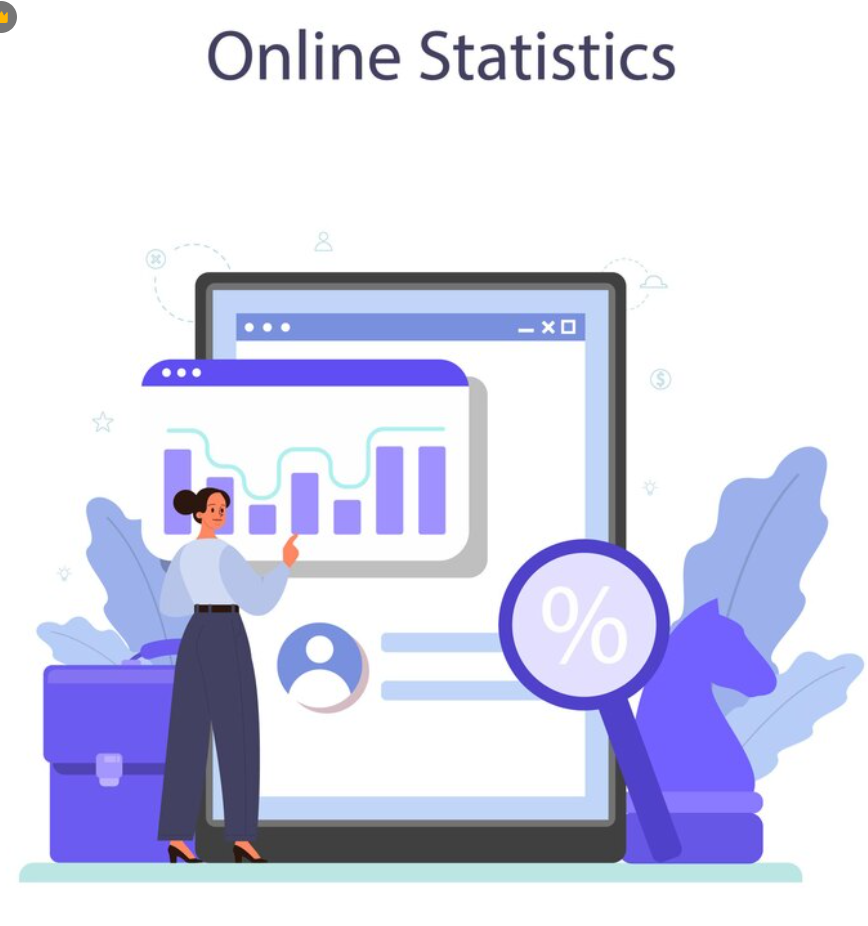
AI in digital marketing refers to using artificial intelligence and machine learning systems to analyze information, identify patterns, generate or optimize content, automate workflows, and support marketing decisions.
Traditional marketing automation follows predefined rules. AI can go further by analyzing large datasets and producing predictions, recommendations, classifications, or content.
Modern AI tools can support tasks such as customer segmentation, keyword research, ad optimization, conversational marketing, content ideation, predictive analytics, and customer support.
The goal is not to replace marketers. Instead, AI can help marketers spend less time on repetitive work and more time on strategy and creative decisions.
1. AI Is Changing Content Creation
One of the most visible examples of How AI Is Transforming Digital Marketing is content production.
AI tools can help marketers brainstorm topics, create outlines, summarize information, generate variations of copy, and improve existing drafts. This can accelerate the early stages of content production.
However, speed alone does not guarantee quality. Content still needs accurate information, original insight, useful examples, and a clear audience focus.
Google’s guidance on creating helpful, reliable, people-first content emphasizes content created primarily to benefit users rather than content produced mainly to manipulate search rankings.
How marketers can use AI responsibly
Use AI as an assistant rather than a replacement for editorial judgment. Research the topic, develop a strong angle, use AI where it saves time, and then review the final material carefully.
Fact-check important claims. Remove generic statements. Add original examples and experience. This approach can make AI-assisted content more useful and trustworthy.
2. AI Is Improving Customer Personalization
Customers expect brands to understand their interests. AI can help businesses analyze customer behavior and deliver more relevant experiences.
For example, an online store can use customer activity to recommend related products. An email campaign can use audience information to deliver different messages to different customer groups.
Personalization can also improve website experiences. A visitor who is researching a product may see educational content, while an existing customer may see support resources or related products.
The key is relevance. Personalization should help customers find useful information instead of making them feel monitored.
3. AI Is Reshaping Search Engine Optimization
SEO is also changing as search engines become more sophisticated and users increasingly interact with AI-powered search experiences.
AI can support keyword research, content organization, topic discovery, competitor analysis, internal linking ideas, and technical audits.
It can also help marketers identify relationships between topics and understand what information users may need beyond a single keyword.
Still, SEO fundamentals remain important. Websites need useful content, clear structure, strong technical performance, trustworthy information, and a good user experience.
Marketers should therefore use AI to improve research and execution rather than creating large quantities of low-value pages.
4. AI Is Making Advertising More Automated
Digital advertising platforms increasingly use machine learning to help advertisers identify audiences, optimize bids, test creative assets, and allocate budgets.
This allows marketers to focus more on campaign strategy and creative direction. Instead of manually adjusting every setting, marketers can provide business objectives, audience information, creative assets, and conversion data.
AI can then help identify patterns that may be difficult to detect manually.
Human oversight still matters
Automation does not eliminate the need to understand advertising. Marketers still need to define the target audience, establish appropriate goals, review performance, and monitor spending.
A poorly designed campaign can become inefficient very quickly if automation is given an unclear objective.
5. AI Is Changing Social Media Marketing
Social media marketers can use AI for content ideas, audience research, post variations, sentiment analysis, and campaign planning.
AI can also help identify common questions and themes appearing in customer conversations. This information can become useful input for content strategy.
However, social media depends heavily on authenticity. Automated posts can save time, but genuine interaction still requires people.
Businesses should use AI for preparation and efficiency while keeping important conversations human.
6. AI Is Transforming Email Marketing
Email marketing is another area where AI can improve efficiency and personalization.
AI can help marketers segment audiences, identify patterns in engagement, suggest subject-line variations, and personalize campaigns. Automated workflows can then deliver messages based on customer actions.
For example, a new subscriber could receive a welcome series. A customer who purchases a product could receive onboarding information. A prospect who abandons a purchase process could receive a relevant reminder.
The best campaigns focus on customer needs rather than sending as many messages as possible.
7. AI Is Improving Customer Service
AI-powered chatbots and virtual assistants can answer common questions, guide customers to relevant information, and help support teams manage repetitive requests.
This can reduce response times and allow human agents to focus on complicated issues.
Businesses should clearly define when an automated system should transfer a conversation to a human. Customers should not be forced to interact with a bot when their problem requires personal attention.
Good customer service automation combines speed with an easy path to human assistance.
8. AI Is Making Marketing Analytics More Powerful
Marketing teams collect information from websites, advertising platforms, email systems, social networks, and customer databases. The challenge is turning that information into useful decisions.
AI can help identify trends, detect unusual patterns, summarize reports, and support forecasting.
Instead of manually reviewing thousands of data points, marketers can use AI-assisted analytics to identify areas that deserve attention.
However, marketers should understand where data comes from and how conclusions are generated. AI-generated recommendations should be treated as decision support, not unquestionable truth.
9. AI Is Creating New Opportunities for Entrepreneurs
AI is lowering the amount of time required to complete many digital tasks. This creates opportunities for small businesses and individual entrepreneurs.
An entrepreneur can use AI to support market research, content planning, customer communication, workflow automation, and business analysis.
This is particularly relevant for people building an online business. A small team can use software to handle processes that previously required more manual labor.
AI can also support entrepreneurs exploring affiliate marketing. It can help with research, content organization, audience analysis, and reporting. However, affiliate content should still provide genuine value and disclose commercial relationships where required.
People comparing affiliate vs dropshipping should remember that AI does not eliminate the differences between these models. Affiliate marketing generally earns commissions from referrals, while a dropshipping business involves selling products while relying on suppliers for fulfillment.
AI can support both models, but success still depends on product selection, customer demand, marketing quality, and responsible business practices.
10. AI Can Support New Passive Income Models
AI is also influencing discussions about passive income. Automation can reduce the amount of repetitive work required to operate certain digital products, content systems, or online services.
However, truly passive income is uncommon. Most systems require initial research, creation, testing, marketing, maintenance, and periodic updates.
AI may reduce some of the manual workload, but it does not remove the need for quality and ongoing management.
11. AI Is Changing the Skills Marketers Need
As AI handles more repetitive tasks, marketers need to strengthen skills that technology cannot easily replace.
Strategic thinking, customer research, communication, creativity, critical thinking, brand positioning, and ethical decision-making are becoming increasingly valuable.
Marketers also need AI literacy. They should understand what AI tools can do, where they can fail, and how to evaluate their outputs.
The strongest marketers will not necessarily be those who use the most AI tools. They will be those who know when and how to use AI effectively.
12. Privacy, Accuracy, and Trust Will Become More Important
AI creates significant opportunities, but it also introduces risks. Businesses must consider privacy, security, inaccurate information, copyright issues, bias, and transparency.
When customer data is involved, businesses should follow applicable privacy laws and use appropriate security practices. AI systems should not receive sensitive information without a legitimate reason and suitable safeguards.
Marketers should also review AI-generated content before publishing it. Incorrect claims can damage a company’s reputation.
Trust is a valuable marketing asset. Businesses that use AI responsibly can protect that trust while still gaining efficiency.
How to Start Using AI in Digital Marketing
Businesses do not need dozens of AI applications. Start with one specific problem.
First, identify a repetitive marketing task. Next, choose a tool that addresses it. Create a simple workflow and establish a way to measure results.
For example, you could use AI to summarize customer feedback each week. You could then compare the time saved and the quality of the summaries.
If the system works well, expand gradually. This approach is safer than automating an entire marketing operation without testing individual processes.
A practical AI marketing workflow
Research the audience, identify the business objective, use AI for analysis or ideation, apply human judgment, publish or launch the campaign, measure results, and improve the process.
This keeps people at the center of the marketing strategy while allowing technology to handle repetitive work.
The Future of AI and Digital Marketing
The relationship between AI and marketing will continue to evolve. AI agents, predictive analytics, automated customer journeys, conversational interfaces, and increasingly personalized experiences are likely to become more common.
At the same time, customers will continue to value authenticity and useful information. This creates an important balance.
Technology can increase speed. Humans provide context, creativity, empathy, and judgment.
Final Thoughts on How AI Is Transforming Digital Marketing
How AI Is Transforming Digital Marketing is ultimately a story about changing workflows rather than simply adopting new software.
AI can help marketers research faster, personalize customer experiences, optimize campaigns, analyze data, automate repetitive work, and improve productivity.
But effective marketing still starts with the customer. Businesses need clear goals, useful products, trustworthy communication, and strong strategy.
Whether you are growing an online business, developing affiliate marketing campaigns, exploring passive income, or operating a dropshipping business, AI can become a valuable productivity layer.
The smartest approach is simple: start with a real business problem, test AI carefully, measure the results, and keep human judgment involved where it matters most.
Recommended internal resources: AI Business Tools, Business Automation Guide, Digital Marketing Guide, and Affiliate Marketing Guide.
Recommended external resources: Google Search Central: Helpful Content, NIST AI Risk Management Framework, and OECD Artificial Intelligence Resources.